





Affise, Inc.
affise.com
Aug 24, 2026

Affise MMP - Mobile Tracking
Gain precise insights into user acquisition. Privacy-first MMP built for modern growth.
Explore logistics and shipping ads running on ChatGPT. Discover companies promoting freight, delivery, and supply chain logistics.
Gain precise insights into user acquisition. Privacy-first MMP built for modern growth.


Browser extension blocks pop-ups and ads.

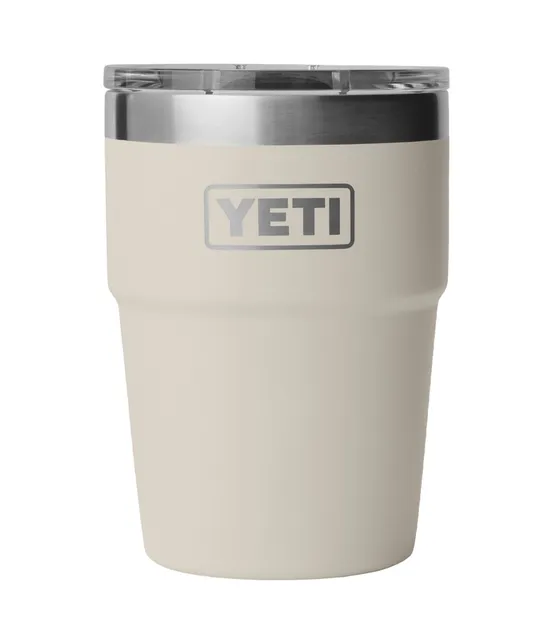
Great for camp or home, this Yeti stackable cup is perfect for everything from your morning coffee, mid-day hydration or post-adventure cocktails. Double-wall vacuum insulation keeps drinks cold or hot for hours. Dishwasher safe. Double-wall vacuum insulated keeps drinks cold or hot. Built from tough, BPA-free 18/8 kitchen grade stainless steel. Stacks with other Yeti stackable cups. Splash-resistant Magslider™ lid. Cup holder compatible. Imported. | Yeti Rambler Stackable Cup With MagSlide Lid, 16 oz. Cape Taupe

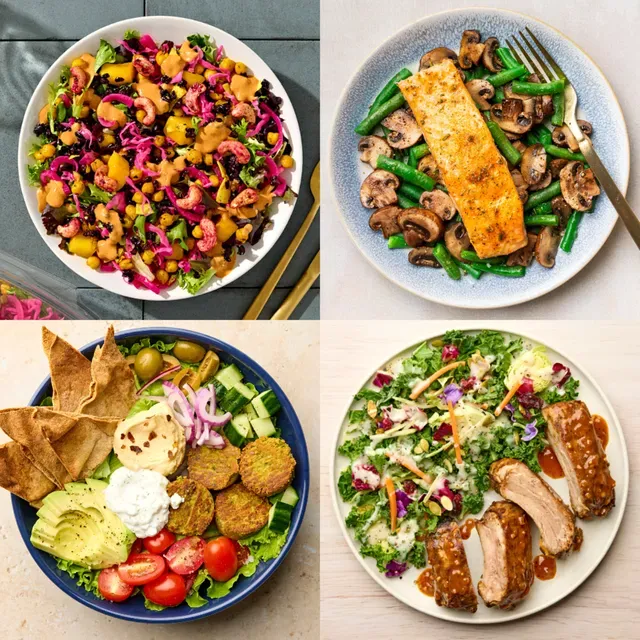
Stock up on quick breakfasts, easy lunches, dinners, snacks, and sweets in one delivery.


Multichannel selling, inventory management, order fulfillment, and warehouse operations in one platf


We find every paper citing your products and display it on your site. No coding, no busywork.
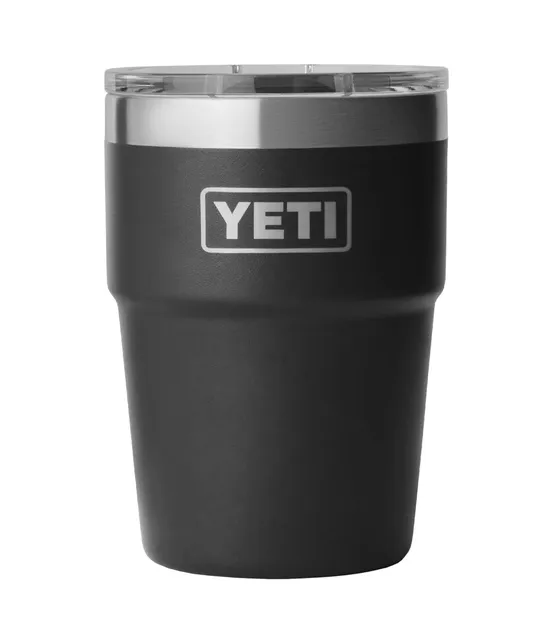
Great for camp or home, this Yeti stackable cup is perfect for everything from your morning coffee, mid-day hydration or post-adventure cocktails. Double-wall vacuum insulation keeps drinks cold or hot for hours. Dishwasher safe. Built from tough, BPA-free 18/8 kitchen grade stainless steel. Double-wall vacuum insulated keeps drinks cold or hot. Cup holder compatible. Stacks with other Yeti stackable cups. Splash-resistant Magslider™ lid. Imported. | Yeti Rambler Stackable Cup With MagSlide Lid, 16 oz. Black

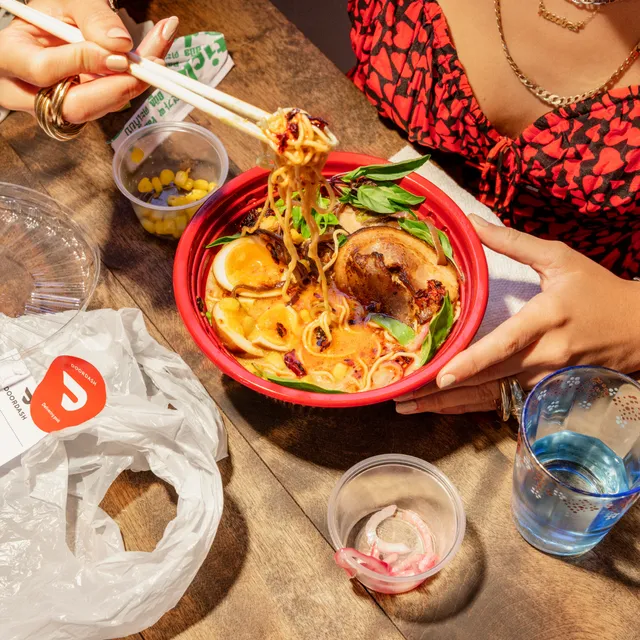
Shop same-day delivery from local stores and restaurants near you.

Programmatic is built for cost, not outcomes. Get the free playbook to buy better.

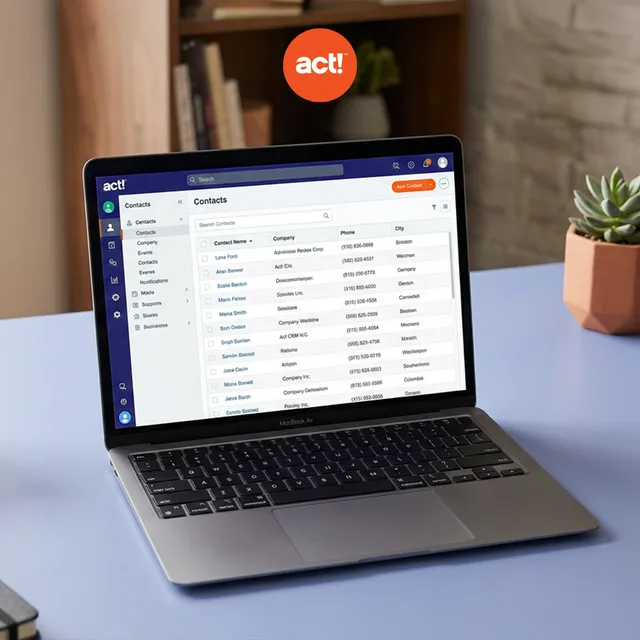
Everything in one place: contacts, deals, email, follow-ups. 14-day free trial. $30/user/mo.

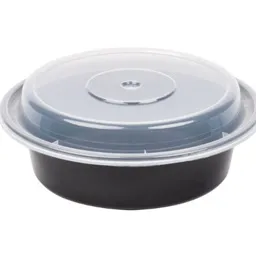
Free Shipping on Versatainer 24 oz Meal Prep/Take Out Container


White label Google & Meta Ads management. Reliable fulfillment for agencies worldwide


We help companies and startups build and scale digital products - from web and mobile apps to AI/ML


Manage planning, inventory, and supply chain in one cloud ERP solution. Demo today.

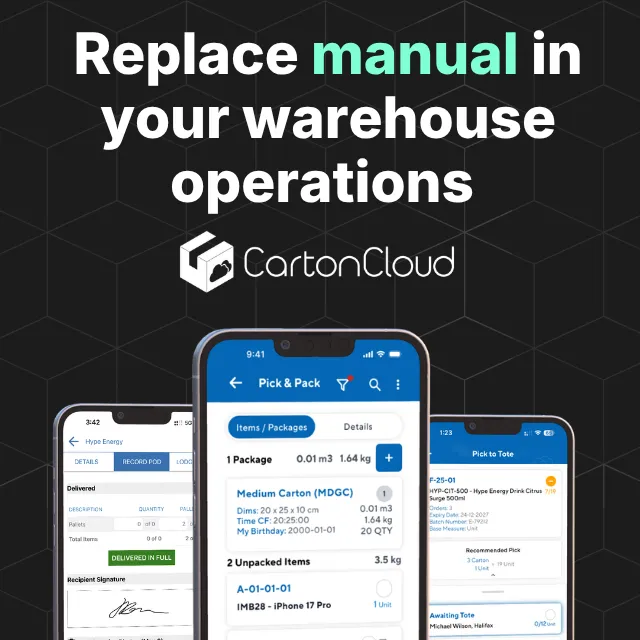
Automate ops. Fast setup, easy training. Rated a WMS leader by G2 in 2026


Connect media, messaging, and conversion tracking to improve lead quality.

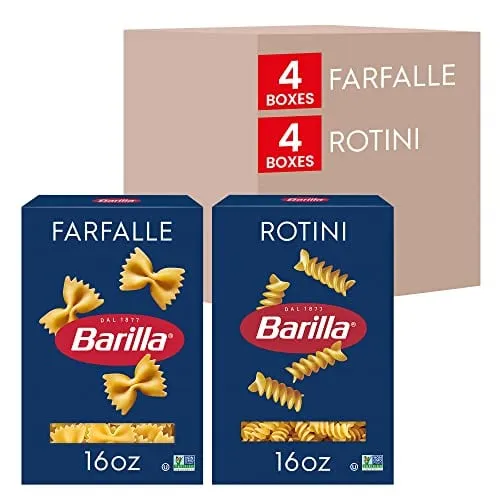
A Comprehensive Guide to Dried Pasta Dried pasta is a staple food in many cultures, prized for its versatility, convenience, and ability to pair with a wide range of ingredients. From simple weeknight dinners to elaborate feasts, dried pasta can be the foundation for dishes that are both satisfying and delicious. This guide will explore the types of dried pasta, cooking methods, storage tips, and some popular serving suggestions. Types of Dried Pasta There are numerous shapes and sizes of dried pasta, each suited to different dishes and sauces. Here are some common types: - Long Pasta : Includes varieties such as spaghetti, linguine, and fettuccine. These are great for light sauces, oils, and creamy preparations. - Short Pasta : Shapes like penne, rigatoni, and fusilli are perfect for thicker sauces and baked dishes, as their nooks and crannies hold the sauce well. - Stuffed Pasta : Ravioli and tortellini are examples of pasta that are filled with a variety of ingredients like cheese, meat, or vegetables. These usually require a sauce that complements the filling. - Flat Pasta : Lasagna sheets are used in layered casseroles and can be made with various fillings and sauces. - Soup Pasta : Small shapes like orzo, ditalini, and star pasta work well in soups, providing texture and substance. Cooking Dried Pasta Cooking dried pasta is a simple process, but it requires some attention to detail. Here are the basic steps to follow: 1. Boil Water : Start with a large pot of water. Use about 4-6 quarts of water for every pound of pasta. Add a generous amount of salt to the water (about 1-2 tablespoons). This enhances the pasta's flavor. 2. Add the Pasta : Once the water is boiling vigorously, add the dried pasta. Stir immediately to prevent sticking. 3. Cooking Time : Follow the cooking time suggested on the package but taste the pasta a minute or two before the time is up. You’re looking for an "al dente" texture, meaning it is firm to the bite. 4. Reserve Pasta Water : Before draining the pasta, set aside a cup of the pasta cooking water. This starchy water can be added to sauces to improve consistency. 5. Drain and Rinse : Drain the pasta in a colander but do not rinse it unless you are using it in a cold dish. Rinsing removes the starch that helps sauces adhere. 6. Combine with Sauce : If the pasta is not being served immediately, toss it with a bit of olive oil to prevent sticking before adding your sauce. Storing Dried Pasta Dried pasta has a long shelf life, making it an excellent pantry staple. Here are some tips for proper storage: - Keep it Dry : Store dried pasta in a cool, dry place, away from direct sunlight. It can be kept in its original packaging or transferred to an airtight container. - Temperature : Ideally, maintain a temperature between 50°F to 70°F (10°C to 21°C). - Shelf Life : Properly stored dried pasta can last for years, but for the best taste and texture, use it within 1-2 years. Serving Suggestions Dried pasta can be paired with a multitude of sauces and ingredients. Some classic combinations include: - Tomato Sauce : A simple marinara or a rich bolognese sauce can elevate long pasta or short pasta varieties. - Pesto : Tossing pasta with homemade or store-bought pesto creates a fragrant and flavorful dish. - Cream Sauces : Heavy cream, cheese, and butter-based sauces pair beautifully with flat pasta like fettuccine. - Oil-based Sauces : A drizzle of olive oil with garlic and herbs can create a light, refreshing dish perfect for summer. - Baked Dishes : Combine cooked pasta with cheese, vegetables, and sauce, then bake until bubbly and golden for a comforting meal. Quick Tips for Perfect Pasta - Don't Overcook : Always undercook pasta slightly since it will continue to cook when combined with hot sauce. - Save the Starch : Use reserved pasta water when making sauces to adjust the consistency. - Mix Immediately : Toss the pasta with sauce right after cooking to keep it moist and flavorful. - Experiment : Don’t hesitate to experiment with different shapes and sauces to discover new combinations that suit your tastes. By understanding the various types of dried pasta and how to cook, store, and serve it, you can create a wide variety of satisfying meals that bring the flavors of Italian cuisine into your home. Enjoy your culinary adventures with dried pasta!
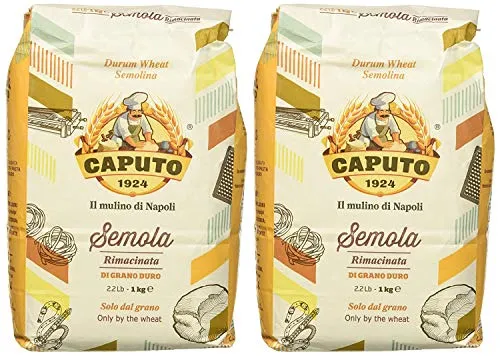
A Guide to Semolina Flour for Pasta Semolina flour is a key ingredient in pasta-making, cherished by chefs and home cooks alike for its unique properties that enhance flavor and texture. Understanding semolina flour and how to use it can elevate your pasta dishes to a new level. What is Semolina Flour? Semolina flour is a coarse flour made from durum wheat, which is a hard variety of wheat high in protein and gluten. The process of milling durum wheat results in a grainy texture that is ideal for creating pasta, couscous, and even some desserts. Semolina has a natural yellow hue, which can impart a lovely color to your final pasta dishes. Types of Semolina Flour When choosing semolina flour for pasta, you will generally encounter two types: 1. Semolina Flour : This form is ground more coarsely, resulting in a gritty texture perfect for traditional pasta-making. 2. Semolina Semolina : This is a finer version of semolina, suitable for pasta dough that requires smoother consistency. Each type can be used depending on the type of pasta you are making, with coarser semolina often preferred for shapes like orecchiette or cavatelli, which benefit from a firmer dough. Advantages of Using Semolina Flour Using semolina flour for pasta comes with several benefits: - Texture : Semolina creates a pasta that has a firm, al dente bite. Its high gluten content contributes to this desirable texture, making it less likely to become mushy during cooking. - Flavor : The flavor profile of semolina is nuttier than regular all-purpose flour, giving your pasta an enhanced taste that pairs beautifully with various sauces. - Color : Semolina flour lends a rich, golden hue to pasta, creating dishes that are visually appealing. - Storage : Due to its lower moisture content compared to other flours, semolina has a longer shelf life. When stored properly in a cool, dry place, it can be kept for months. How to Use Semolina Flour in Pasta Making Ingredients The basic ingredients for homemade pasta using semolina flour typically include: - Semolina flour - Water (you may also use eggs for richness) - Salt (optional, for flavor) Basic Recipe Here’s a simple step-by-step recipe for making pasta from semolina flour: Ingredients - 2 cups semolina flour - 1/2 cup water (you can adjust as needed) - Pinch of salt (optional) Instructions 1. Mix the Flour and Salt : In a large bowl, combine the semolina flour and salt. 2. Add Water : Gradually add water to the flour mixture while stirring with a fork or your hands. Start with half a cup and then add more as needed to form a cohesive dough. 3. Knead the Dough : Transfer the dough onto a floured surface and knead it for about 8-10 minutes until it's smooth and elastic. This step is crucial for developing gluten. 4. Rest the Dough : Wrap your dough in plastic wrap or cover it with a damp cloth and let it rest for at least 30 minutes. This allows the gluten to relax, making it easier to roll out. 5. Shape Your Pasta : Roll out the dough to your desired thickness, then cut it into the desired shape – whether sheets for lasagna, strips for fettuccine, or others. 6. Cook the Pasta : Boil a generous pot of salted water and cook the pasta for 2 to 4 minutes, depending on its thickness. Fresh pasta cooks much quicker than dried pasta. 7. Serve : Drain the pasta and serve it with your favorite sauce. Tips for Perfect Pasta - Experiment with Ratios : If you want a rich flavor, experiment with incorporating eggs into your dough. A common ratio is 1 egg per 100 grams of semolina flour. - Keep it Dry : Be cautious when adding water; too much can make the dough sticky. Start with less and gradually add more as necessary. - Dust with Flour : Use semolina flour or all-purpose flour to dust your work surface when rolling out the dough. This prevents sticking and allows for easier handling. - Use a Pasta Machine : If you have one, a pasta machine can help roll out dough more evenly and create thinner pasta sheets. Conclusion Incorporating semolina flour into your pasta-making repertoire can yield delicious, authentic Italian dishes. With its unique qualities, it offers a delightful cooking experience and results in pasta that boasts both flavor and texture. As you experiment with this versatile ingredient, you’ll find joy in crafting homemade pasta that will impress family and friends. Whether tossed with a simple sauce or baked in a casserole, freshly made pasta from semolina flour is a true delight. Happy cooking!
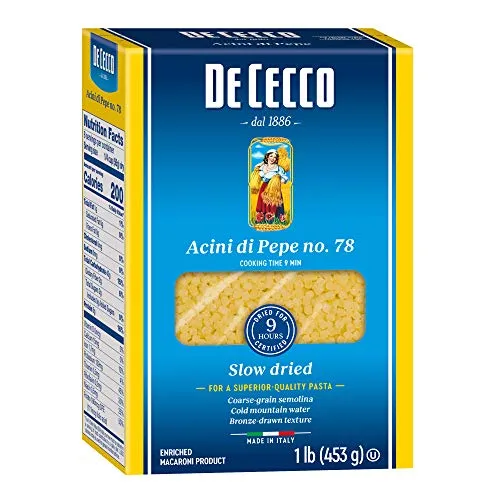
Buying Guide for Acini di Pepe Pasta Acini di pepe is a small pasta shape that resembles tiny beads or seeds. Its name translates to “seeds of pepper,” reflecting its size and shape. This unique pasta can elevate a variety of dishes, including soups, salads, and casseroles. If you’re interested in adding acini di pepe to your pantry, this guide will help you understand its uses, how to select high-quality options, and tips for preparation. What to Look for When Buying Acini di Pepe Pasta When shopping for acini di pepe, consider the following factors to ensure you get the best product: 1. Ingredients - 100% Durum Wheat Semolina : Look for pasta made primarily from durum wheat semolina, as this variety is known for its high gluten content, which provides a firm texture. - Whole Grain Options : If you are looking for a healthier choice, you might opt for whole grain acini di pepe, which contains more fiber and nutrients. 2. Texture and Color - Appearance : Quality acini di pepe pasta should have a uniform shape and a slightly rough texture, which helps sauces adhere better during cooking. - Color : A good pasta should exhibit a pale golden hue. Avoid any pasta that appears overly white, as it may have been artificially processed. 3. Dryness - Properly Dried : Look for pasta that feels hard and dry to the touch. Ensure there is no moisture, as this could indicate poor preservation, leading to spoilage or a shorter shelf life. 4. Cooking Time - Check the cooking time specified on the packaging. Quality acini di pepe typically cooks in about 10-12 minutes, but it's always best to taste a piece toward the end of the recommended cooking time to achieve your desired texture. 5. Packaging - Sealed and Undamaged : Purchase products that are sealed properly. Look for vacuum-sealed bags or boxes to ensure freshness. Avoid packages with any tears or damages. 6. Serving Size - Consider the serving size indicated on the packaging. This helps you determine how much to buy based on your planned meals or gatherings. Best Uses for Acini di Pepe Pasta Acini di pepe's small size and versatile texture make it an excellent choice for a variety of dishes. Here are some popular uses: - Soups : The pasta works wonderfully in brothy soups like minestrone or chicken soup. Its small size adds a comforting element without overwhelming the dish. - Salads : Consider using acini di pepe in cold pasta salads. It pairs well with vegetables, dressings, and proteins for a refreshing, satisfying meal. - Casseroles : Acini di pepe can be incorporated into baked dishes, lending a unique texture compared to traditional larger pasta shapes. - Side Dishes : A simple sauté with olive oil, garlic, and greens can create a delightful side dish using acini di pepe. Tips for Cooking Acini di Pepe To help you prepare your acini di pepe effectively, keep in mind these cooking tips: - Salt the Water : Always add a generous amount of salt to boiling water before cooking the pasta. This helps season the pasta as it absorbs water. - Don’t Overcook : Monitor the cooking time closely, as smaller pasta shapes can become overcooked quickly. Aim for al dente, where the pasta retains a bit of firmness. - Rinse Carefully : If using the pasta in salads, consider rinsing it with cold water after cooking to stop the cooking process. - Store Properly : Unopened packages can be stored in a cool, dry place. Once opened, transfer any unused pasta into an airtight container to maintain freshness. Conclusion Acini di pepe pasta is a delightful addition to many culinary creations, offering versatility and a unique texture that can enhance soups, salads, and casseroles. When purchasing, focus on ingredient quality, appearance, proper packaging, and potential uses. With these considerations in mind, you’ll be well-prepared to select the best acini di pepe pasta for your kitchen. Enjoy experimenting with this tiny pasta shape—it’s bound to become a new favorite!

Buying Guide for Engaged Banners Engaged banners play a crucial role in modern digital marketing strategies, serving to attract attention and enhance user interaction on websites and applications. Whether you are designing an engaged banner for a promotional offer, an event, or to drive traffic to specific content, knowing what to consider during the buying process is essential. This guide will walk you through key factors to consider, types of engaged banners, and best practices for implementation. Understanding Engaged Banners Engaged banners are interactive advertisements typically displayed on websites, apps, or social media platforms. These banners can be animated, clickable, or employ other engaging elements to capture user attention and encourage interaction. Unlike static banners, engaged banners aim to convert viewers into visitors, customers, or leads through persuasive messaging and visual appeal. What to Consider When Buying Engaged Banners 1. Purpose and Goals - Identify Your Objectives: Establish what you want to achieve with your engaged banner. Is it brand awareness, click-through traffic, sales, or sign-ups? - Target Audience: Know who you are trying to reach and tailor the banner's message and design to meet their preferences and behaviors. 2. Design Elements - Visual Appeal: Choose eye-catching colors, fonts, and images that align with your branding. - Size and Placement: Select a size that fits well with your website design and is visible without being intrusive. - Animation and Interactivity: Consider adding movement or interactivity to draw attention, but ensure it doesn’t distract from the core message. 3. Messaging - Clear and Concise Statements: Use short, compelling text that conveys your message quickly. Focus on benefits, not just features. - Call to Action (CTA): Include a strong CTA encouraging users to take the desired action. Utilize phrases like “Shop Now,” “Learn More,” or “Sign Up Today.” 4. Compatibility and Responsiveness - Cross-Device Compatibility: Ensure the banner displays well on various devices, including desktops, tablets, and smartphones. - Responsive Design: The banner should adapt to different screen sizes and resolutions without losing quality or message clarity. 5. Performance Tracking - Analytics: Choose an option that allows you to track engagement metrics like impressions, clicks, and conversions. - A/B Testing: Consider investing in banners that facilitate A/B testing so you can optimize campaigns based on performance data. 6. Budget Considerations - Cost-Effectiveness: Weigh the cost of production against potential returns. Cheaper options may lack quality, while premium banners often yield better engagement. - Long-Term Investment: Think about the longevity of the banner. Investing in quality designs that can be used in multiple campaigns can save money over time. Types of Engaged Banners Static Banners - Simple and straightforward, static banners display a single image or message without any animation. Ideal for minimalistic campaigns. Animated Banners - These use animations to attract attention and convey messages in a dynamic way. They can feature transitions, slides, or interactive elements. Video Banners - Incorporating video content can be an effective way to engage users. Video banners can provide a more immersive experience. Interactive Banners - Banners that allow users to interact—like quizzes, games, or forms—tend to generate higher engagement rates by encouraging participation. Best Practices for Implementation 1. Optimize Loading Times - Ensure that your engaged banners are optimized for quick loading to prevent users from leaving your site out of frustration. 2. Consider User Experience - Position your banners strategically to capture attention without obstructing the user experience. Avoid banners that automatically pop up or diminish usability. 3. Regularly Update Content - Keep your banners fresh and relevant by rotating them frequently to reflect current offerings or seasonal promotions. 4. Ensure Accessibility - Design banners that are accessible to individuals with disabilities. Use alt text for images and make text legible with sufficient contrast against backgrounds. 5. Compliance with Regulations - Familiarize yourself with advertising regulations in your region or industry, ensuring that your banners comply to avoid any legal complications. Conclusion Investing in engaged banners can significantly enhance your digital marketing efforts. By considering your goals, design elements, messaging, compatibility, performance tracking, and budget, you can choose banners that not only attract attention but also foster genuine interaction with your audience. As you implement your engaged banners, keep best practices in mind to ensure they serve their intended purpose effectively. With the right approach, engaged banners can create a powerful connection between your brand and its potential customers, driving conversions and achieving your
Buying Guide for Autopilot PPC1 When it comes to managing and optimizing pay-per-click (PPC) campaigns, an effective autopilot PPC1 tool can be a game-changer for marketers. These tools automate the management process, allowing for better optimization, time-saving, and improved campaign performance. This buying guide will walk you through the essential factors to consider when choosing the right autopilot PPC1 solution. Understanding Autopilot PPC1 An autopilot PPC1 tool automates aspects of PPC campaign management, such as bidding, keyword management, ad placement, and reporting. The goal of using such tools is to enhance efficiency and enable marketers to focus on strategic aspects of their campaigns rather than the day-to-day management tasks. Key Features to Consider When evaluating autopilot PPC1 solutions, keep these essential features in mind: Automation Capabilities - Bidding Strategies : Look for tools that support various bidding strategies, including manual, automatic, and dynamic bidding. An effective autopilot tool should be able to adjust bids in real time based on performance data. - Rule-Based Automation : Choose a tool that allows you to set rules for budget allocation, bidding, and ad scheduling. This feature enables the tool to make real-time adjustments based on predefined parameters. Analytics and Reporting - Performance Tracking : The tool should provide comprehensive metrics on ad performance, including CTR (click-through rate), conversion rates, and cost-per-click (CPC). - Customizable Reports : Look for capabilities that allow you to create custom reports to assess the performance of your campaigns based on different metrics and KPIs. User Interface and Experience - Ease of Use : A user-friendly interface is crucial. Ensure the tool has an intuitive design that makes it easy to navigate and perform tasks without extensive training. - Integration Options : Check for the ability to integrate with your existing analytics platforms, social media channels, and other marketing tools. This integration can streamline your workflow and improve data accuracy. Support and Resources - Customer Support : Consider the availability and quality of customer support. A responsive support team can help you resolve issues efficiently and enhance your experience with the tool. - Educational Resources : Look for a resource library, including tutorials, webinars, and case studies, which can help you maximize the use of the tool and improve your PPC campaign strategies. Budget Considerations Assessing the pricing structure of the autopilot PPC1 tool is essential for your decision-making process: Pricing Models - Subscription-Based : Most tools offer monthly or annual subscriptions. Assess what plans are available and which best aligns with your budget and needs. - Free Trials : Many solutions offer free trials. Take advantage of these trials to test the tool's effectiveness and see if it fits your requirements before committing. Return on Investment - Cost-Effectiveness : Consider how the tool can save time and improve your campaigns. Evaluate whether the increased performance justifies the cost of the tool. - Performance Metrics : Look for case studies or testimonials from other users to understand the potential ROI. Assess whether the features offered will lead to an increase in conversions or lead generation. Compatibility and Scalability Platform Compatibility Ensure the autopilot PPC1 solution is compatible with the platforms you intend to use, whether Google Ads, Bing Ads, or social media platforms like Facebook. This compatibility is essential for seamless campaign management. Scalability Consider whether the tool can grow with your business. As your PPC campaigns expand, you need a solution that can handle increased data and complexity without a hiccup. Implementation Setup and Configuration Investigate the time and effort required to set up the tool. A tool that offers guided setup or onboarding support can make this process significantly easier. Adjustments and Customizations Look for tools that allow for customization in terms of rules, dashboards, and reporting. This flexibility can help tailor the solutions to meet your specific needs and enhance performance. Conclusion Choosing the right autopilot PPC1 tool requires thoughtful consideration of your business's specific needs, goals, and budget. By carefully evaluating the features, support, costs, and scalability of different options, you can select a solution that automates your PPC management effectively while driving higher performance in your ad campaigns. Take the time to research and test several tools to find the one that best fits your marketing strategy, and you're sure to reap the rewards in improved campaign efficiency and results.


Save up to 83% on managed hosting. Free site builder, domain, SSL, daily backups and CDN included.

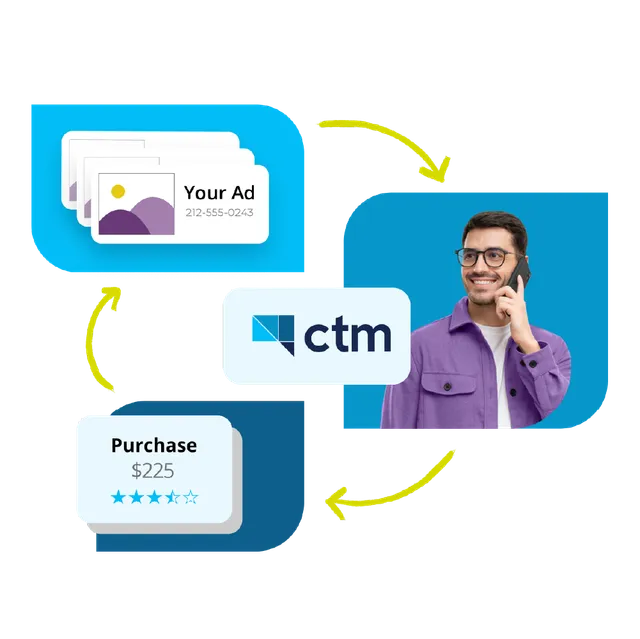
Connect Calls to Ads & Prove Marketing ROI

Removes banner ads and pop-ups as you browse.