



AppFrontier LLC
appfrontier.com
Aug 10, 2026

Payments in Salesforce Made Easy
Drive faster revenue, eliminate duplicate data entry, and gain visibility with Chargent
Explore events and conference ads running on ChatGPT. Discover companies promoting conferences, webinars, and event management.
Drive faster revenue, eliminate duplicate data entry, and gain visibility with Chargent


Monetize high-intent shoppers with real-time relevant offers.


Don't let your brand narrative age out. Turn earned media and social into real revenue.


See which Meta, TikTok and Google campaigns bring paying subscribers. 30-day free trial.

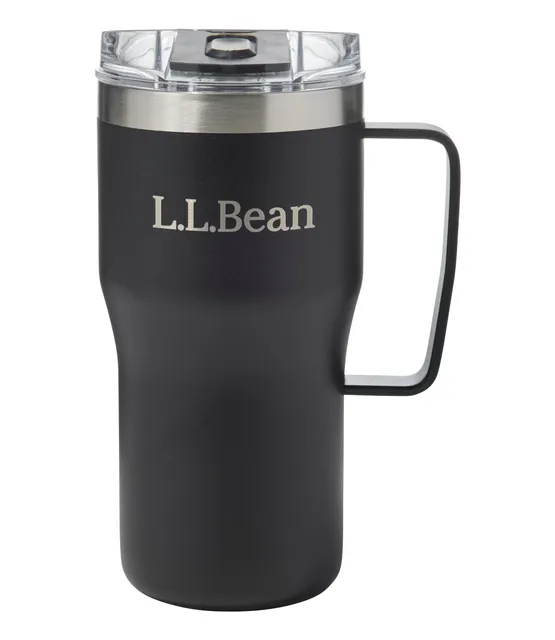
Keep your favorite drinks hot or cold up to 6 hours with this extra-large 20 oz. rugged stainless steel mug. It's perfect for the campsite, your commute or at home. Dishwasher safe. Dishwasher safe. Dishwasher safe. Dishwasher safe. Dishwasher safe. Design prevents buildup of condensation on the outside of the mug. Made from durable double-wall, vacuum-insulated stainless steel. Made from durable double-wall, vacuum-insulated stainless steel. Design prevents buildup of condensation on the outside of the mug. Made from durable double-wall, vacuum-insulated stainless steel. Design prevents buildup of condensation on the outside of the mug. Design prevents buildup of condensation on the outside of the mug. Design prevents buildup of condensation on the outside of the mug. Made from durable double-wall, vacuum-insulated stainless steel. Made from durable double-wall, vacuum-insulated stainless steel. Leak-resistant press-fit lid with slides open/close. Handle allows it to easily fit a car cup holder. Keeps drinks hot or cold up to 6 hours. Handle allows it to easily fit a car cup holder. Handle allows it to easily fit a car cup holder. Leak-resistant press-fit lid with slides open/close. Leak-resistant press-fit lid with slides open/close. Keeps drinks hot or cold up to 6 hours. Keeps drinks hot or cold up to 6 hours. Leak-resistant press-fit lid with slides open/close. Leak-resistant press-fit lid with slides open/close. Keeps drinks hot or cold up to 6 hours. Imported. | L.L.Bean Insulated Camp Mug, 20 oz. Black, Stainless Steel


Tickets, calls, chats, reviews, social, all read by one AI. Ask once, get it all.


See predicted revenue directly from your live pipeline

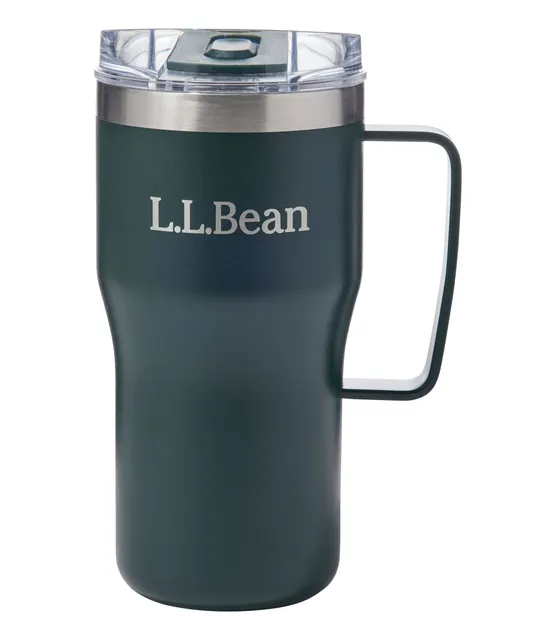
Keep your favorite drinks hot or cold up to 6 hours with this extra-large 20 oz. rugged stainless steel mug. It's perfect for the campsite, your commute or at home. Dishwasher safe. Dishwasher safe. Dishwasher safe. Dishwasher safe. Dishwasher safe. Design prevents buildup of condensation on the outside of the mug. Design prevents buildup of condensation on the outside of the mug. Design prevents buildup of condensation on the outside of the mug. Made from durable double-wall, vacuum-insulated stainless steel. Made from durable double-wall, vacuum-insulated stainless steel. Made from durable double-wall, vacuum-insulated stainless steel. Made from durable double-wall, vacuum-insulated stainless steel. Made from durable double-wall, vacuum-insulated stainless steel. Design prevents buildup of condensation on the outside of the mug. Design prevents buildup of condensation on the outside of the mug. Leak-resistant press-fit lid with slides open/close. Leak-resistant press-fit lid with slides open/close. Leak-resistant press-fit lid with slides open/close. Handle allows it to easily fit a car cup holder. Handle allows it to easily fit a car cup holder. Handle allows it to easily fit a car cup holder. Handle allows it to easily fit a car cup holder. Leak-resistant press-fit lid with slides open/close. Keeps drinks hot or cold up to 6 hours. Keeps drinks hot or cold up to 6 hours. Leak-resistant press-fit lid with slides open/close. Keeps drinks hot or cold up to 6 hours. Imported. | L.L.Bean Insulated Camp Mug, 20 oz. Deepest Green, Stainless Steel
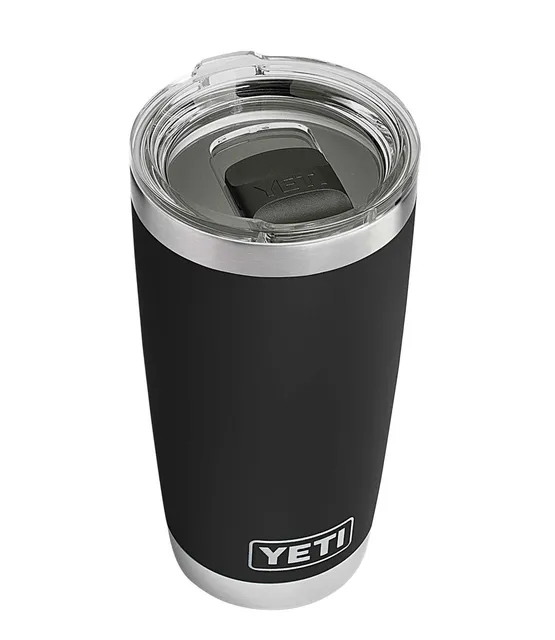
The Yeti Rambler is tough enough to keep up with the most intense of your outdoor adventures. Made from durable stainless steel with double-wall vacuum insulation, it keeps drinks hot or cold all day. Innovative MagSlide lid for reliable closing. Rugged stainless steel construction resists dents and dings. Lid design prevents splashes and spills. Innovative MagSlider lid uses magnets to keep it reliably open or closed. Double-wall vacuum insulation keeps cold drinks cold and hot drinks hot until the last sip. MagSlider lid is made from shatter-resistant material. Dishwasher safe. No Sweat™ design prevents condensation, keeps hands dry and comfortable. Imported. | Yeti Rambler Tumbler With MagSlide Lid, 20 oz. Black, Stainless Steel
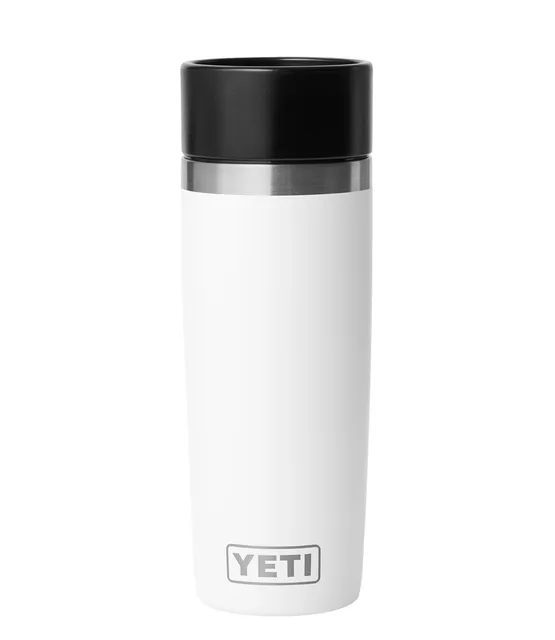
The perfect commuter mug. Made from durable stainless steel with double-wall vacuum insulation, it keeps drinks hot or cold all day. Innovative, leakproof Commuter Cap offers convenient 360° drinking. Dishwasher safe. Dishwasher safe. Made from super-durable 18/8 stainless steel. Made from super-durable 18/8 stainless steel. 360° drinking cap lets you drink from any angle. Leakproof Commuter Cap prevents spills in your car or inside a pack. Leakproof Commuter Cap prevents spills in your car or inside a pack. Cup holder compatible. Cup holder compatible. 360° drinking cap lets you drink from any angle. Imported. | Yeti Rambler Travel Bottle, 16 oz. White, Stainless Steel

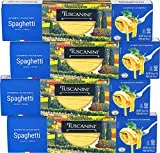
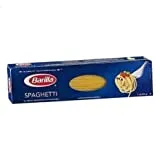
A Comprehensive Guide to Spaghetti Noodles Pasta Spaghetti noodles are a staple in many cuisines worldwide, particularly in Italian cooking. Their long, thin shape and versatility lend themselves to a variety of dishes, making them a beloved choice for both home cooks and professional chefs alike. This guide explores everything you need to know about spaghetti noodles, including their history, preparation, and some popular recipes. History of Spaghetti Noodles Spaghetti is believed to have originated in Italy and has roots that date back to the 12th century. While long, thin pasta has been made since ancient times, the specific form known as spaghetti began to gain popularity in the southern regions of Italy, particularly Naples. The name "spaghetti" comes from the Italian word "spaghi," which means "thin twine." The introduction of tomatoes to Italy in the 16th century revolutionized how pasta, including spaghetti, was served. The combination of spaghetti with tomato-based sauces became a defining characteristic of Italian cuisine. Today, spaghetti is enjoyed globally and has inspired a myriad of variations and regional recipes. Types of Spaghetti Noodles While spaghetti noodles are generally made from wheat flour and water, there are several variations that cater to different dietary preferences: - Whole Wheat Spaghetti: Made from whole grain flour, this type contains more fiber and nutrients compared to regular spaghetti. - Gluten-Free Spaghetti: Typically made from rice flour, corn flour, or other gluten-free grains, this option is suitable for those with gluten sensitivities. - Vegan Spaghetti: Most traditional spaghetti noodles are vegan, but it’s always good to check the ingredients if you're aiming for a plant-based diet. - Lentil or Chickpea Spaghetti: These noodles are high in protein and fiber, making them a nutritious alternative to traditional pasta. Cooking Spaghetti Noodles Cooking spaghetti noodles is a straightforward process, but following a few key steps will ensure that they turn out perfectly al dente and flavorful. Ingredients - Spaghetti noodles - Water - Salt Cooking Steps 1. Boil Water: Fill a large pot with water. Use about 4-6 quarts of water for every pound of spaghetti. Place it on the stove over high heat and bring it to a rolling boil. 2. Add Salt: Once the water is boiling, add a generous amount of salt (approximately 1-2 tablespoons). This step enhances the flavor of the pasta. 3. Cook the Spaghetti: Add the spaghetti noodles to the boiling water. Stir gently to prevent them from sticking. Refer to the package instructions for cooking time, but typically it ranges from 8 to 12 minutes. 4. Check for Doneness: Taste the noodles a minute or two before the suggested cooking time. They should be firm to the bite, known as "al dente." 5. Drain and Serve: Once cooked, drain the spaghetti in a colander. Do not rinse, as this will wash away the starch that helps sauces adhere. Sauces and Pairings Spaghetti noodles pair well with a variety of sauces, both traditional and modern. Here are some popular options: - Marinara Sauce: A simple tomato-based sauce flavored with garlic, onions, and Italian herbs. - Pesto Sauce: A mixture of fresh basil, pine nuts, garlic, Parmesan cheese, and olive oil, creating a vibrant green sauce. - Alfredo Sauce: A creamy sauce made from butter, heavy cream, and Parmesan cheese, perfect for a richer dish. - Aglio e Olio: A simple combination of garlic sautéed in olive oil, often infused with red pepper flakes for a kick. - Carbonara: A traditional Roman dish made with eggs, cheese (Pecorino Romano), cured pork, and black pepper, creating a rich and flavorful sauce. Popular Spaghetti Dishes Here are a few classic dishes that showcase the versatility of spaghetti noodles: - Spaghetti Bolognese: A hearty meat sauce made with ground beef or pork, tomatoes, and vegetables, simmered to perfection. - Spaghetti and Meatballs: Juicy meatballs served over spaghetti with marinara sauce, a comforting favorite. - Spaghetti Primavera: A light dish featuring fresh vegetables sautéed in olive oil and tossed with spaghetti. - Spaghetti Puttanesca: A flavorful dish with olives, capers, garlic, and anchovies for a bold taste. Tips for Perfect Spaghetti - Use plenty of water to prevent noodles from sticking. - Always salt your water for seasoning. - Save some pasta water before draining; it can be used to adjust the consistency of your sauce. - Always cook pasta al dente, as it will continue cooking slightly when mixed with the sauce. Conclusion Spaghetti noodles are more than just a dish; they are a canvas for culinary creativity. From simple oil and garlic preparations to elaborate meat-based sauces, their versatility accommodates countless flavors and textures. With the right techniques and a few quality ingredients, you can elevate your spaghetti dishes to new heights, delighting friends and family alike. So grab your favorite sauce, cook up a pot of spaghetti, and enjoy
A Guide to Thin Spaghetti Pasta: Features, Cooking Techniques, and Pairings Thin spaghetti pasta, a variation of the traditional spaghetti, offers a more delicate approach to this beloved staple. While it has many similarities with its thicker counterparts, its slender form and texture open up a world of culinary possibilities. This guide explores the characteristics of thin spaghetti pasta, optimal cooking techniques, and delightful pairings to elevate your dishes. Characteristics of Thin Spaghetti Pasta Thin spaghetti pasta is defined by its long, thin shape—typically measuring around 1.5 to 2 mm in diameter. Here are some key characteristics: - Texture : The thinner strands provide a lighter mouthfeel, making it an excellent choice for more delicate sauces and ingredients. - Cooking Time : Thin spaghetti usually cooks faster than traditional spaghetti, typically requiring around 6 to 8 minutes in boiling water. - Versatility : It lends itself well to various cuisines, from classic Italian to Asian-inspired dishes. Cooking Thin Spaghetti Cooking thin spaghetti is straightforward but requires attention to detail to avoid overcooking. Follow these steps for perfectly cooked pasta: 1. Boil Water Start by bringing a large pot of salted water to a rolling boil. Use approximately 4 to 6 quarts of water for every pound of pasta to ensure it cooks evenly. 2. Add the Pasta Once the water is boiling, gently add the thin spaghetti. Stir the pasta immediately to prevent sticking. 3. Monitor Cooking Time Check the pasta after about 5 minutes. Thin spaghetti cooks quickly, so it’s essential to taste it for doneness, aiming for an al dente texture—tender but with a slight bite. 4. Drain and Rinse Once cooked, promptly drain the pasta in a colander. Rinsing is not required for thin spaghetti intended for warm sauces, but if you're preparing a cold pasta salad, a quick rinse under cold water can help stop the cooking process. 5. Toss with Sauce Immediately toss the drained spaghetti with your chosen sauce. If you're serving it with a light sauce, consider adding a splash of pasta water to help the sauce adhere better. Pairing Suggestions The delicate nature of thin spaghetti allows it to pair beautifully with a variety of flavors. Here are some inspirational combinations: Light Sauces - Olive Oil and Garlic : Sauté minced garlic in olive oil, toss in cooked thin spaghetti, and finish with fresh parsley and grated cheese. - Tomato Basil : A fresh tomato sauce with basil offers a classic combination that highlights the pasta's subtlety. - Lemon and Butter : A simple sauce of melted butter with a squeeze of lemon juice can elevate your dish with brightness. Protein Additions - Seafood : Lightly sautéed shrimp, scallops, or clams pair well, adding protein without overwhelming the dish. - Chicken : Grilled or sautéed chicken breast strips can be tossed with thin spaghetti for a heartier meal. - Tofu : For a vegetarian or vegan option, add cubes of grilled tofu tossed with vegetables. Seasonal Vegetables Enhance your thin spaghetti by incorporating seasonal vegetables. Here are a few ideas: - Asparagus : Toss in blanched asparagus spears for a touch of elegance. - Spinach : Stir in fresh spinach just before serving to wilt it slightly. - Zucchini : Spiralized or sautéed zucchini can add texture and nutrients to the dish. Serving Suggestions To present your dish attractively and enhance flavor profiles, consider the following: - Garnishes : Fresh herbs like basil, parsley, or arugula can brighten and add a fresh finish to your dish. - Cheese : Grated Parmesan, Pecorino Romano, or a sprinkle of feta can elevate the flavor. Add it at the last moment for a burst of richness. - Nuts : Toasted pine nuts or walnuts can add a delightful crunch and a nutty flavor to complement the pasta. Summary Thin spaghetti pasta is a versatile and elegant option in the world of pasta. With its delicate texture and quick cooking time, it allows for creative and delightful culinary explorations. Whether you choose to pair it with light, flavorful sauces, protein, or seasonal vegetables, thin spaghetti is sure to become a favorite in your kitchen. Embrace the art of pasta cooking, and you will find that this slender strand can lead to a myriad of delicious and memorable meals.
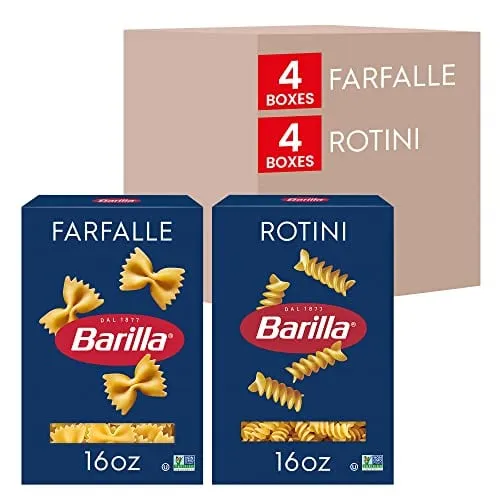
A Comprehensive Guide to Dried Pasta Dried pasta is a staple food in many cultures, prized for its versatility, convenience, and ability to pair with a wide range of ingredients. From simple weeknight dinners to elaborate feasts, dried pasta can be the foundation for dishes that are both satisfying and delicious. This guide will explore the types of dried pasta, cooking methods, storage tips, and some popular serving suggestions. Types of Dried Pasta There are numerous shapes and sizes of dried pasta, each suited to different dishes and sauces. Here are some common types: - Long Pasta : Includes varieties such as spaghetti, linguine, and fettuccine. These are great for light sauces, oils, and creamy preparations. - Short Pasta : Shapes like penne, rigatoni, and fusilli are perfect for thicker sauces and baked dishes, as their nooks and crannies hold the sauce well. - Stuffed Pasta : Ravioli and tortellini are examples of pasta that are filled with a variety of ingredients like cheese, meat, or vegetables. These usually require a sauce that complements the filling. - Flat Pasta : Lasagna sheets are used in layered casseroles and can be made with various fillings and sauces. - Soup Pasta : Small shapes like orzo, ditalini, and star pasta work well in soups, providing texture and substance. Cooking Dried Pasta Cooking dried pasta is a simple process, but it requires some attention to detail. Here are the basic steps to follow: 1. Boil Water : Start with a large pot of water. Use about 4-6 quarts of water for every pound of pasta. Add a generous amount of salt to the water (about 1-2 tablespoons). This enhances the pasta's flavor. 2. Add the Pasta : Once the water is boiling vigorously, add the dried pasta. Stir immediately to prevent sticking. 3. Cooking Time : Follow the cooking time suggested on the package but taste the pasta a minute or two before the time is up. You’re looking for an "al dente" texture, meaning it is firm to the bite. 4. Reserve Pasta Water : Before draining the pasta, set aside a cup of the pasta cooking water. This starchy water can be added to sauces to improve consistency. 5. Drain and Rinse : Drain the pasta in a colander but do not rinse it unless you are using it in a cold dish. Rinsing removes the starch that helps sauces adhere. 6. Combine with Sauce : If the pasta is not being served immediately, toss it with a bit of olive oil to prevent sticking before adding your sauce. Storing Dried Pasta Dried pasta has a long shelf life, making it an excellent pantry staple. Here are some tips for proper storage: - Keep it Dry : Store dried pasta in a cool, dry place, away from direct sunlight. It can be kept in its original packaging or transferred to an airtight container. - Temperature : Ideally, maintain a temperature between 50°F to 70°F (10°C to 21°C). - Shelf Life : Properly stored dried pasta can last for years, but for the best taste and texture, use it within 1-2 years. Serving Suggestions Dried pasta can be paired with a multitude of sauces and ingredients. Some classic combinations include: - Tomato Sauce : A simple marinara or a rich bolognese sauce can elevate long pasta or short pasta varieties. - Pesto : Tossing pasta with homemade or store-bought pesto creates a fragrant and flavorful dish. - Cream Sauces : Heavy cream, cheese, and butter-based sauces pair beautifully with flat pasta like fettuccine. - Oil-based Sauces : A drizzle of olive oil with garlic and herbs can create a light, refreshing dish perfect for summer. - Baked Dishes : Combine cooked pasta with cheese, vegetables, and sauce, then bake until bubbly and golden for a comforting meal. Quick Tips for Perfect Pasta - Don't Overcook : Always undercook pasta slightly since it will continue to cook when combined with hot sauce. - Save the Starch : Use reserved pasta water when making sauces to adjust the consistency. - Mix Immediately : Toss the pasta with sauce right after cooking to keep it moist and flavorful. - Experiment : Don’t hesitate to experiment with different shapes and sauces to discover new combinations that suit your tastes. By understanding the various types of dried pasta and how to cook, store, and serve it, you can create a wide variety of satisfying meals that bring the flavors of Italian cuisine into your home. Enjoy your culinary adventures with dried pasta!
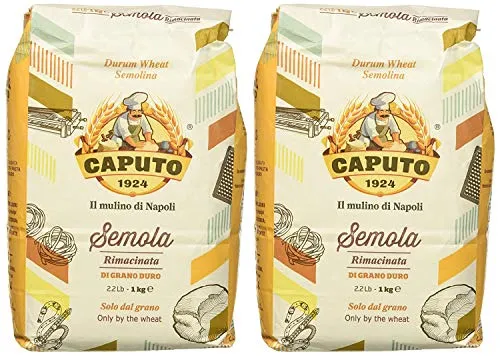
A Guide to Semolina Flour for Pasta Semolina flour is a key ingredient in pasta-making, cherished by chefs and home cooks alike for its unique properties that enhance flavor and texture. Understanding semolina flour and how to use it can elevate your pasta dishes to a new level. What is Semolina Flour? Semolina flour is a coarse flour made from durum wheat, which is a hard variety of wheat high in protein and gluten. The process of milling durum wheat results in a grainy texture that is ideal for creating pasta, couscous, and even some desserts. Semolina has a natural yellow hue, which can impart a lovely color to your final pasta dishes. Types of Semolina Flour When choosing semolina flour for pasta, you will generally encounter two types: 1. Semolina Flour : This form is ground more coarsely, resulting in a gritty texture perfect for traditional pasta-making. 2. Semolina Semolina : This is a finer version of semolina, suitable for pasta dough that requires smoother consistency. Each type can be used depending on the type of pasta you are making, with coarser semolina often preferred for shapes like orecchiette or cavatelli, which benefit from a firmer dough. Advantages of Using Semolina Flour Using semolina flour for pasta comes with several benefits: - Texture : Semolina creates a pasta that has a firm, al dente bite. Its high gluten content contributes to this desirable texture, making it less likely to become mushy during cooking. - Flavor : The flavor profile of semolina is nuttier than regular all-purpose flour, giving your pasta an enhanced taste that pairs beautifully with various sauces. - Color : Semolina flour lends a rich, golden hue to pasta, creating dishes that are visually appealing. - Storage : Due to its lower moisture content compared to other flours, semolina has a longer shelf life. When stored properly in a cool, dry place, it can be kept for months. How to Use Semolina Flour in Pasta Making Ingredients The basic ingredients for homemade pasta using semolina flour typically include: - Semolina flour - Water (you may also use eggs for richness) - Salt (optional, for flavor) Basic Recipe Here’s a simple step-by-step recipe for making pasta from semolina flour: Ingredients - 2 cups semolina flour - 1/2 cup water (you can adjust as needed) - Pinch of salt (optional) Instructions 1. Mix the Flour and Salt : In a large bowl, combine the semolina flour and salt. 2. Add Water : Gradually add water to the flour mixture while stirring with a fork or your hands. Start with half a cup and then add more as needed to form a cohesive dough. 3. Knead the Dough : Transfer the dough onto a floured surface and knead it for about 8-10 minutes until it's smooth and elastic. This step is crucial for developing gluten. 4. Rest the Dough : Wrap your dough in plastic wrap or cover it with a damp cloth and let it rest for at least 30 minutes. This allows the gluten to relax, making it easier to roll out. 5. Shape Your Pasta : Roll out the dough to your desired thickness, then cut it into the desired shape – whether sheets for lasagna, strips for fettuccine, or others. 6. Cook the Pasta : Boil a generous pot of salted water and cook the pasta for 2 to 4 minutes, depending on its thickness. Fresh pasta cooks much quicker than dried pasta. 7. Serve : Drain the pasta and serve it with your favorite sauce. Tips for Perfect Pasta - Experiment with Ratios : If you want a rich flavor, experiment with incorporating eggs into your dough. A common ratio is 1 egg per 100 grams of semolina flour. - Keep it Dry : Be cautious when adding water; too much can make the dough sticky. Start with less and gradually add more as necessary. - Dust with Flour : Use semolina flour or all-purpose flour to dust your work surface when rolling out the dough. This prevents sticking and allows for easier handling. - Use a Pasta Machine : If you have one, a pasta machine can help roll out dough more evenly and create thinner pasta sheets. Conclusion Incorporating semolina flour into your pasta-making repertoire can yield delicious, authentic Italian dishes. With its unique qualities, it offers a delightful cooking experience and results in pasta that boasts both flavor and texture. As you experiment with this versatile ingredient, you’ll find joy in crafting homemade pasta that will impress family and friends. Whether tossed with a simple sauce or baked in a casserole, freshly made pasta from semolina flour is a true delight. Happy cooking!
Your Comprehensive Buying Guide for a Pasta Variety Pack (16 oz) Pasta is a culinary staple around the globe, cherished for its versatility, quick preparation time, and the delightful textures it brings to a meal. A pasta variety pack, especially one that weighs 16 oz, provides a fantastic opportunity to explore different types, enrich meals, and cater to diverse preferences. In this guide, we will help you understand everything you need to know before making your purchase. Why Choose a Pasta Variety Pack? 1. Versatility A variety pack offers different shapes and types of pasta, allowing for a range of recipes. From classic spaghetti and fettuccine to unique shapes like farfalle and orecchiette, having a selection on hand enhances your cooking experience and creativity in the kitchen. 2. Convenience With a variety pack, you won’t need to buy multiple individual boxes of pasta. This not only saves you time but also keeps your pantry well-stocked for any spontaneous meal ideas. 3. Cost-Effectiveness Buying a variety pack can often be more economical than purchasing several different boxes individually. This can help you save money while trying out new pasta types. What to Look For in a Pasta Variety Pack When shopping for a pasta variety pack, consider the following factors: 1. Types of Pasta Included Look for a selection that includes a mix of shapes and sizes. Popular options might include: - Spaghetti - Penne - Fusilli - Farfalle - Macaroni - Lasagna sheets This variety allows for a range of cooking methods and pairings with different sauces. 2. Quality of Ingredients Check the packaging for details on the ingredients. High-quality pasta is typically made from durum wheat semolina, which has a high protein content, providing better texture and flavor. If available, look for whole wheat or organic options for added nutritional benefits. 3. Cooking Time Consider the cooking times of the pasta types included in the pack. Most dried pasta cooks quickly—usually within 8 to 12 minutes. However, knowing the cooking times can help you plan meal prep, especially if you’re pairing different types in one dish. 4. Dietary Considerations If you or anyone you are cooking for has dietary restrictions, look for packs that cater to specific needs, such as gluten-free options or those made from legumes like chickpeas or lentils. 5. Packaging and Storage A 16 oz variety pack should be well-packaged to maintain freshness. Look for resealable bags or boxes that keep the pasta secure, preventing breakage and exposure to moisture. Tips for Cooking Pasta 1. Don’t Skimp on Water Always cook pasta in a large pot of boiling water. The general rule of thumb is to use 4-6 quarts of water per pound of pasta. This helps prevent sticking and ensures even cooking. 2. Salt the Water Adding salt to your cooking water enhances the flavor of the pasta. A good starting point is about 1 tablespoon of salt for every 2 quarts of water. 3. Cook Al Dente For the best texture, aim to cook pasta "al dente," meaning it should be firm to the bite. Check the package for recommended cooking times and taste a piece a minute or two before it’s supposed to be done. 4. Save Some Pasta Water Before draining, save a cup of the starchy pasta cooking water. This can be added to sauces to help thicken them and improve the overall texture of the dish. Storage Tips for Unused Pasta Pasta has a long shelf life, but proper storage can extend its freshness even further. Here are some tips: - Keep unopened packs in a cool, dry place. - Once opened, transfer any remaining pasta to an airtight container to keep pests out and retain freshness. - Always check for any signs of spoilage or off-smells before cooking older pasta. Conclusion Choosing a pasta variety pack can elevate your cooking and give you a chance to experiment with new recipes and flavors. By considering the types of pasta included, cooking times, and quality, you can make an informed decision that fits your culinary needs. With the perfect variety pack in hand, the world of pasta is at your fingertips—ready to be enjoyed in countless delicious ways.

Buying Guide for Engaged Banners Engaged banners play a crucial role in modern digital marketing strategies, serving to attract attention and enhance user interaction on websites and applications. Whether you are designing an engaged banner for a promotional offer, an event, or to drive traffic to specific content, knowing what to consider during the buying process is essential. This guide will walk you through key factors to consider, types of engaged banners, and best practices for implementation. Understanding Engaged Banners Engaged banners are interactive advertisements typically displayed on websites, apps, or social media platforms. These banners can be animated, clickable, or employ other engaging elements to capture user attention and encourage interaction. Unlike static banners, engaged banners aim to convert viewers into visitors, customers, or leads through persuasive messaging and visual appeal. What to Consider When Buying Engaged Banners 1. Purpose and Goals - Identify Your Objectives: Establish what you want to achieve with your engaged banner. Is it brand awareness, click-through traffic, sales, or sign-ups? - Target Audience: Know who you are trying to reach and tailor the banner's message and design to meet their preferences and behaviors. 2. Design Elements - Visual Appeal: Choose eye-catching colors, fonts, and images that align with your branding. - Size and Placement: Select a size that fits well with your website design and is visible without being intrusive. - Animation and Interactivity: Consider adding movement or interactivity to draw attention, but ensure it doesn’t distract from the core message. 3. Messaging - Clear and Concise Statements: Use short, compelling text that conveys your message quickly. Focus on benefits, not just features. - Call to Action (CTA): Include a strong CTA encouraging users to take the desired action. Utilize phrases like “Shop Now,” “Learn More,” or “Sign Up Today.” 4. Compatibility and Responsiveness - Cross-Device Compatibility: Ensure the banner displays well on various devices, including desktops, tablets, and smartphones. - Responsive Design: The banner should adapt to different screen sizes and resolutions without losing quality or message clarity. 5. Performance Tracking - Analytics: Choose an option that allows you to track engagement metrics like impressions, clicks, and conversions. - A/B Testing: Consider investing in banners that facilitate A/B testing so you can optimize campaigns based on performance data. 6. Budget Considerations - Cost-Effectiveness: Weigh the cost of production against potential returns. Cheaper options may lack quality, while premium banners often yield better engagement. - Long-Term Investment: Think about the longevity of the banner. Investing in quality designs that can be used in multiple campaigns can save money over time. Types of Engaged Banners Static Banners - Simple and straightforward, static banners display a single image or message without any animation. Ideal for minimalistic campaigns. Animated Banners - These use animations to attract attention and convey messages in a dynamic way. They can feature transitions, slides, or interactive elements. Video Banners - Incorporating video content can be an effective way to engage users. Video banners can provide a more immersive experience. Interactive Banners - Banners that allow users to interact—like quizzes, games, or forms—tend to generate higher engagement rates by encouraging participation. Best Practices for Implementation 1. Optimize Loading Times - Ensure that your engaged banners are optimized for quick loading to prevent users from leaving your site out of frustration. 2. Consider User Experience - Position your banners strategically to capture attention without obstructing the user experience. Avoid banners that automatically pop up or diminish usability. 3. Regularly Update Content - Keep your banners fresh and relevant by rotating them frequently to reflect current offerings or seasonal promotions. 4. Ensure Accessibility - Design banners that are accessible to individuals with disabilities. Use alt text for images and make text legible with sufficient contrast against backgrounds. 5. Compliance with Regulations - Familiarize yourself with advertising regulations in your region or industry, ensuring that your banners comply to avoid any legal complications. Conclusion Investing in engaged banners can significantly enhance your digital marketing efforts. By considering your goals, design elements, messaging, compatibility, performance tracking, and budget, you can choose banners that not only attract attention but also foster genuine interaction with your audience. As you implement your engaged banners, keep best practices in mind to ensure they serve their intended purpose effectively. With the right approach, engaged banners can create a powerful connection between your brand and its potential customers, driving conversions and achieving your
Buying Guide for Autopilot PPC1 When it comes to managing and optimizing pay-per-click (PPC) campaigns, an effective autopilot PPC1 tool can be a game-changer for marketers. These tools automate the management process, allowing for better optimization, time-saving, and improved campaign performance. This buying guide will walk you through the essential factors to consider when choosing the right autopilot PPC1 solution. Understanding Autopilot PPC1 An autopilot PPC1 tool automates aspects of PPC campaign management, such as bidding, keyword management, ad placement, and reporting. The goal of using such tools is to enhance efficiency and enable marketers to focus on strategic aspects of their campaigns rather than the day-to-day management tasks. Key Features to Consider When evaluating autopilot PPC1 solutions, keep these essential features in mind: Automation Capabilities - Bidding Strategies : Look for tools that support various bidding strategies, including manual, automatic, and dynamic bidding. An effective autopilot tool should be able to adjust bids in real time based on performance data. - Rule-Based Automation : Choose a tool that allows you to set rules for budget allocation, bidding, and ad scheduling. This feature enables the tool to make real-time adjustments based on predefined parameters. Analytics and Reporting - Performance Tracking : The tool should provide comprehensive metrics on ad performance, including CTR (click-through rate), conversion rates, and cost-per-click (CPC). - Customizable Reports : Look for capabilities that allow you to create custom reports to assess the performance of your campaigns based on different metrics and KPIs. User Interface and Experience - Ease of Use : A user-friendly interface is crucial. Ensure the tool has an intuitive design that makes it easy to navigate and perform tasks without extensive training. - Integration Options : Check for the ability to integrate with your existing analytics platforms, social media channels, and other marketing tools. This integration can streamline your workflow and improve data accuracy. Support and Resources - Customer Support : Consider the availability and quality of customer support. A responsive support team can help you resolve issues efficiently and enhance your experience with the tool. - Educational Resources : Look for a resource library, including tutorials, webinars, and case studies, which can help you maximize the use of the tool and improve your PPC campaign strategies. Budget Considerations Assessing the pricing structure of the autopilot PPC1 tool is essential for your decision-making process: Pricing Models - Subscription-Based : Most tools offer monthly or annual subscriptions. Assess what plans are available and which best aligns with your budget and needs. - Free Trials : Many solutions offer free trials. Take advantage of these trials to test the tool's effectiveness and see if it fits your requirements before committing. Return on Investment - Cost-Effectiveness : Consider how the tool can save time and improve your campaigns. Evaluate whether the increased performance justifies the cost of the tool. - Performance Metrics : Look for case studies or testimonials from other users to understand the potential ROI. Assess whether the features offered will lead to an increase in conversions or lead generation. Compatibility and Scalability Platform Compatibility Ensure the autopilot PPC1 solution is compatible with the platforms you intend to use, whether Google Ads, Bing Ads, or social media platforms like Facebook. This compatibility is essential for seamless campaign management. Scalability Consider whether the tool can grow with your business. As your PPC campaigns expand, you need a solution that can handle increased data and complexity without a hiccup. Implementation Setup and Configuration Investigate the time and effort required to set up the tool. A tool that offers guided setup or onboarding support can make this process significantly easier. Adjustments and Customizations Look for tools that allow for customization in terms of rules, dashboards, and reporting. This flexibility can help tailor the solutions to meet your specific needs and enhance performance. Conclusion Choosing the right autopilot PPC1 tool requires thoughtful consideration of your business's specific needs, goals, and budget. By carefully evaluating the features, support, costs, and scalability of different options, you can select a solution that automates your PPC management effectively while driving higher performance in your ad campaigns. Take the time to research and test several tools to find the one that best fits your marketing strategy, and you're sure to reap the rewards in improved campaign efficiency and results.
Guide to No-Ad Products: Embracing the Ad-Free Experience In the digital age, advertisements are ubiquitous, often overwhelming the online experience. While many appreciate the content that ads help finance, a growing number of users prefer a cleaner, less distracting interface. This guide focuses on no-ad options, offering insights into the benefits and considerations, as well as tips for finding the right no-ad products for your needs. What Are No-Ad Products? No-ad products are offerings designed to eliminate advertisements, focusing instead on delivering a streamlined and distraction-free user experience. They span a wide variety of applications and services, including: - Streaming Services: Enjoy movies, TV shows, and music without interruptions from commercials. - Web Browsers: Specific tools or extensions help block ads, creating a clean browsing experience. - Mobile Apps: Some applications provide a paid option that removes ads entirely. - Digital Publications: Many magazines and journals offer ad-free subscriptions. Benefits of Using No-Ad Products Choosing no-ad products can enhance your online experience in various ways: 1. Improved Focus: Without the distraction of ads, users can concentrate better on the content that matters. This is particularly beneficial for students, professionals, and anyone engaged in tasks requiring deep focus. 2. Faster Loading Times: Ads can significantly increase loading times. No-ad products often result in quicker access to your desired content or services. 3. Reduced Data Usage: Ads consume bandwidth, which can be a concern for users on limited data plans. Using no-ad options can help save data by limiting the amount of content loaded. 4. Enhanced Security: Ad blockers can prevent potentially harmful ads and reduce exposure to malware and phishing attempts that often accompany advertisements. 5. Positive User Experience: Many users report a more enjoyable and satisfying online experience when ads do not interrupt their activities. Considerations When Choosing No-Ad Products While the advantages are clear, there are certain factors to keep in mind: Subscription Costs Many no-ad products come at a premium. Consider the balance between cost and the enhanced experience. Determine whether the investment aligns with your budget and usage habits. Restricted Content Some services may limit access to specific content unless you opt for their ad-supported versions. Before committing, ensure that the no-ad version provides the features and content you desire. Compatibility Not all no-ad options work seamlessly with every device or platform. Verify compatibility with your preferred devices, whether it’s desktop, mobile, or smart TVs. Support and Updates Regular updates and customer support are crucial for maintaining a smooth experience. Choose products from providers known for their reliability and responsiveness. Tips for Finding and Utilizing No-Ad Products Research and Reviews Before committing to any no-ad service, conduct thorough research. Look for reviews and comparisons to understand the user experience better. Consider visiting technology forums or websites that focus on product comparisons to see what others are saying. Trial Periods Many no-ad products offer free trials or introductory periods. Take advantage of these offers to evaluate the service. This approach allows you to gauge its effectiveness and whether it meets your needs before making a financial commitment. Use Multiple Tools Consider employing a combination of no-ad options in your daily digital routine. For example, you might use an ad-blocking extension alongside a no-ad streaming service, enhancing your overall experience. Customize Settings Most no-ad products come with customizable settings. Take the time to adjust these settings according to your preferences, ensuring an experience tailored to your needs. Stay Informed The landscape of digital advertising is constantly evolving. Keep yourself informed about new no-ad options and updates to existing services. Stay connected with tech blogs, social media discussions, and newsletters to remain aware of new solutions that may enhance your experience. Conclusion Ad-free experiences in the digital world offer numerous benefits, from improved focus and faster loading times to enhanced security. However, it’s essential to weigh the associated costs and potential content restrictions. By conducting thorough research, utilizing trial periods, and making informed choices, you can fully embrace an ad-free lifestyle that enhances your online experiences. Whether you’re watching your favorite series, reading a novel, or browsing the web, no-ad products can significantly improve your interaction with digital content. Embrace the tranquility that comes with a cleaner, ad-free experience!

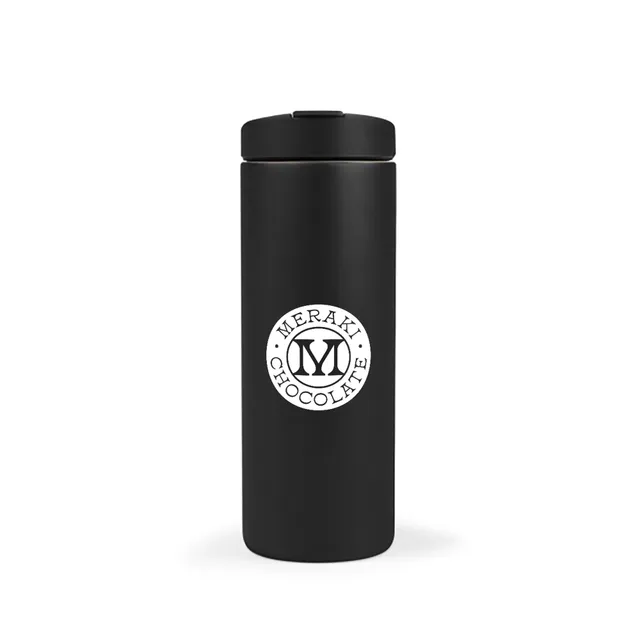
Make your daily commute more entertaining with the MiiR® Insulated Travel Tumbler. Featuring a double-walled construction, this tumbler keeps your beverage at the ideal temperature and your brand exposed with every use. Finish with your logo and offer customers a convenient addition to their daily routine.
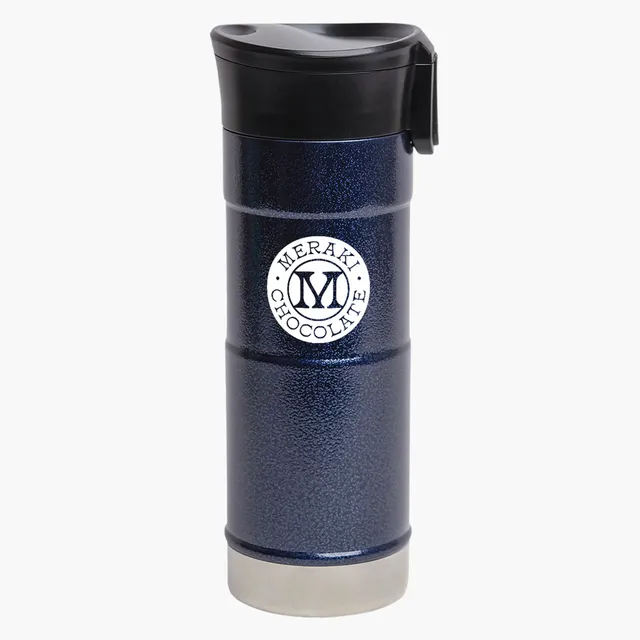
Stay hydrated throughout your busy day with a stylish tumbler that keeps drinks at an Ideal temperature for hours. Whether you're commuting to work or enjoying outdoor activities, this double-wall vacuum sealed design prevents condensation while maintaining beverage temperature. It's easy to customize – add your logo, message or info using our intuitive studio. Need a hand? Our design experts are here to help bring your ideas to life.
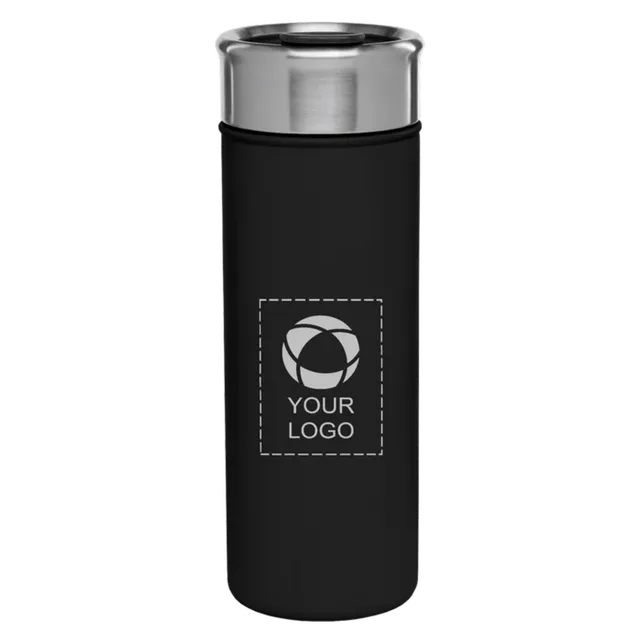
Make your daily commute more entertaining with the customizable Double-Wall Stainless Steel Tumbler. Featuring a double-walled construction, this tumbler keeps your beverage at the ideal temperature and your brand exposed with every use. Plus, the convenient lid facilitates sipping on the move. Finish with your logo using our online design studio and offer customers a branded addition to their daily routine. And if you need help along the way, our design experts are always available to lend you a helping hand.
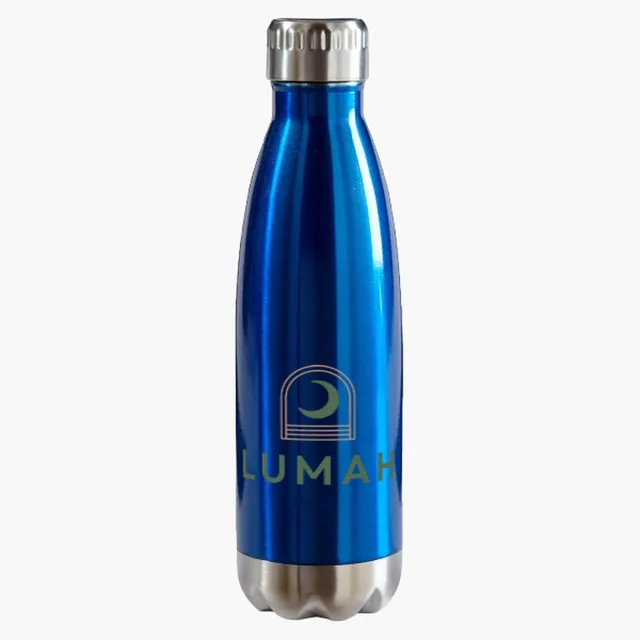
Keep your favorite drink hot or cold longer with the Double Wall Stainless Steel Vacuum Bottle. It’s designed to prevent spills while sipping on the go. Finish with your logo and showcase your brand anywhere you go.
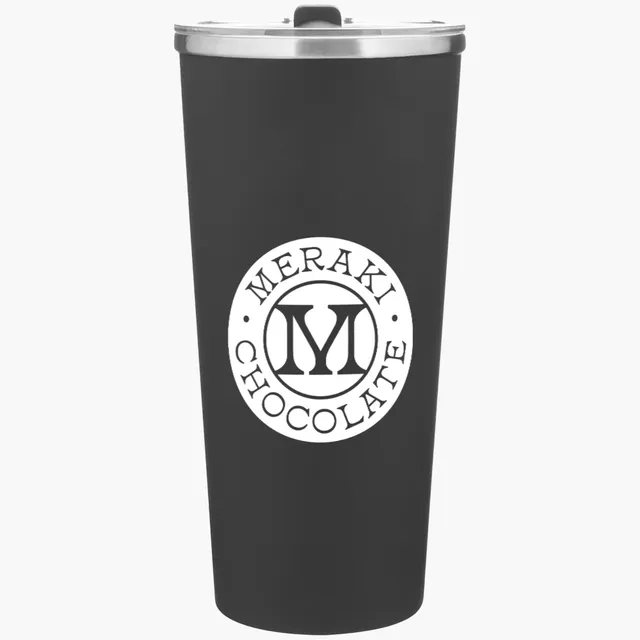
Make your daily commute more entertaining with the customizable Cooper Thermal Tumbler. Featuring a double-walled construction, this tumbler keeps your beverage at the ideal temperature and your brand exposed with every use. Plus, the convenient lid facilitates sipping on the move. Finish with your logo using our online design studio and offer customers a branded addition to their daily routine. And if you need help along the way, our design experts are always available to lend you a helping hand.


Tickets, routing & SLAs. Compare top help desk tools ranked by 2.5M+ verified reviews.