




Capterra
capterra.com
Aug 24, 2026

Compare the Best Customer Service Software of 2026
Chat, email & phone support. Compare top tools ranked by 2.5M+ verified reviews.
Explore electronics and consumer tech ads running on ChatGPT. Discover companies promoting gadgets, devices, and tech hardware.
Chat, email & phone support. Compare top tools ranked by 2.5M+ verified reviews.


Enter it, search, see exactly who's behind it


Cloaked gives you private numbers to share so your real phone stays completely spam-free.


The Bark Phone is a safer phone for kids.

Cloaked creates private aliases so websites never get your real email or phone number.

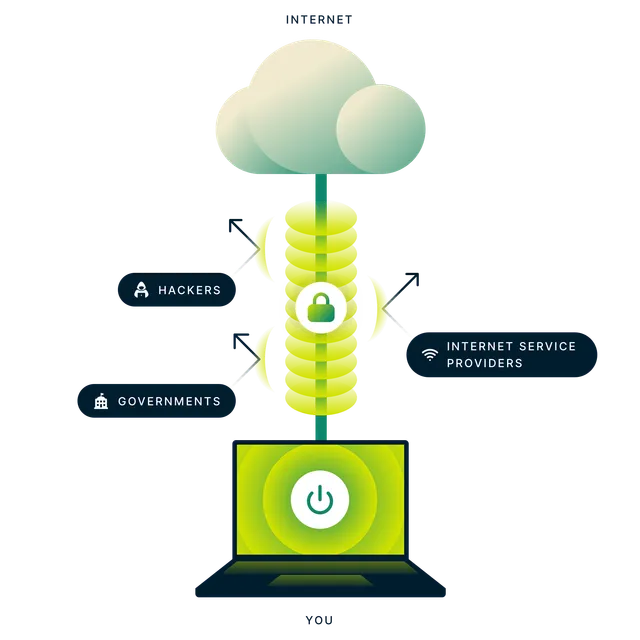
#1 VPN Server For Any Device. Top VPN for Real Privacy

Manage support across chat, email & phone.


AI Response Monitor gives brands visibility into what AI is saying about their products.


Manage work orders from any device.


Old POS slowing service down? Compare modern systems with hardware, software, and support.

Monitor AI visibility and act on it. AirOps turns mentions into pipeline. Book a demo.

Buying Guide for Better Pasta When it comes to choosing the perfect pasta, the variety of options available can be overwhelming. Better pasta not only elevates your meals but can also contribute to a healthier diet. This guide will help you make informed decisions when shopping for pasta, ensuring you select the finest quality while aligning with your dietary preferences. Understanding Pasta Varieties Pasta comes in numerous shapes, sizes, and formulations. Here are a few key types to consider: 1. Types of Pasta - Wheat Pasta : The most common type, made from durum wheat. It's rich in carbohydrates and provides a good energy source. - Whole Grain Pasta : Made from whole wheat flour, it's higher in fiber and nutrients compared to regular wheat pasta. - Gluten-Free Pasta : Made from alternative grains like rice, quinoa, or lentils, catering to those with gluten sensitivities or celiac disease. - Legume-Based Pasta : Made from beans or lentils, it's an excellent source of protein and fiber. - Vegetable Pasta : Made with a combination of vegetable powders and traditional flours, offering a way to increase your vegetable intake. 2. Shape Matters Different pasta shapes serve different purposes. Here are some popular shapes: - Spaghetti : Best for light, oil-based sauces. - Fusilli : Great for holding onto thicker sauces. - Penne : Works well in baked dishes and salads. - Farfalle : Fun bow-tie shape, ideal for creamy sauces. - Orecchiette : Small ear-shaped pasta that holds onto chunkier sauces. Choose shapes based on the type of dish you plan to prepare, as the texture and structure will impact the final result. Key Ingredients to Look For When examining pasta options, it's important to scrutinize ingredient lists. Here are some factors to consider: 1. Grain Type The type of grain significantly affects the nutritional profile. Look for: - Whole Grains : Opt for whole grain pasta to enjoy the benefits of fiber, vitamins, and minerals. - Legumes : If you're seeking more protein and fiber, legume-based pasta is a fantastic alternative. 2. Additives and Preservatives Avoid pasta with artificial additives or preservatives. A shorter ingredient list typically indicates higher quality. Look for: - No artificial colors - No preservatives - Minimal processing 3. Nutritional Content Assess the nutritional information on the package. Specifically, look for: - Protein : Aim for pastas with higher protein content, especially if they are legume-based. - Fiber : High fiber options (typically whole grain and legume pastas) will contribute to satiety and digestive health. - Carbohydrates : Balance is key; high-quality pasta will provide complex carbohydrates that release energy slowly. Cooking Considerations The cooking process can also impact the quality of pasta. Here are some tips for preparing better pasta: 1. Al Dente Cooking : Aim to cook pasta until it is al dente (firm to the bite). This maximizes nutritional content and texture. 2. Salted Water : Use generously salted water (about 1 tablespoon per gallon) to enhance flavor during cooking. 3. Avoid Overcooking : Be sure to monitor cooking times closely. Overcooked pasta loses its texture and can become mushy. 4. Sauce Pairing : Choose sauces that complement the type and shape of pasta you’re using. Lighter sauces are better with long strands, while chunky sauces work well with shapes that can hold them. Where to Buy Pasta can be found at various types of stores, but the quality can vary. Here are some good options: - Health Food Stores : Often carry a wide range of high-quality, organic, and gluten-free options. - Specialty Markets : Look for stores that focus on artisanal products; they may carry handmade or locally sourced pasta. - Online Retailers : You can find unique and specialty pastas online, though ensure to check the reputation of the seller. Conclusion Selecting better pasta involves considering the type, ingredients, and cooking methods. Whether you seek whole grain, gluten-free, or legume-based options, the goal is to choose pasta that not only tastes great but also aligns with your health objectives. By paying attention to these factors, you can elevate your pasta dishes and enjoy a nutritious addition to your meals. Remember, good pasta is the foundation of many delightful dishes, so invest in quality for memorable culinary experiences!
A Guide to Thin Spaghetti Pasta: Features, Cooking Techniques, and Pairings Thin spaghetti pasta, a variation of the traditional spaghetti, offers a more delicate approach to this beloved staple. While it has many similarities with its thicker counterparts, its slender form and texture open up a world of culinary possibilities. This guide explores the characteristics of thin spaghetti pasta, optimal cooking techniques, and delightful pairings to elevate your dishes. Characteristics of Thin Spaghetti Pasta Thin spaghetti pasta is defined by its long, thin shape—typically measuring around 1.5 to 2 mm in diameter. Here are some key characteristics: - Texture : The thinner strands provide a lighter mouthfeel, making it an excellent choice for more delicate sauces and ingredients. - Cooking Time : Thin spaghetti usually cooks faster than traditional spaghetti, typically requiring around 6 to 8 minutes in boiling water. - Versatility : It lends itself well to various cuisines, from classic Italian to Asian-inspired dishes. Cooking Thin Spaghetti Cooking thin spaghetti is straightforward but requires attention to detail to avoid overcooking. Follow these steps for perfectly cooked pasta: 1. Boil Water Start by bringing a large pot of salted water to a rolling boil. Use approximately 4 to 6 quarts of water for every pound of pasta to ensure it cooks evenly. 2. Add the Pasta Once the water is boiling, gently add the thin spaghetti. Stir the pasta immediately to prevent sticking. 3. Monitor Cooking Time Check the pasta after about 5 minutes. Thin spaghetti cooks quickly, so it’s essential to taste it for doneness, aiming for an al dente texture—tender but with a slight bite. 4. Drain and Rinse Once cooked, promptly drain the pasta in a colander. Rinsing is not required for thin spaghetti intended for warm sauces, but if you're preparing a cold pasta salad, a quick rinse under cold water can help stop the cooking process. 5. Toss with Sauce Immediately toss the drained spaghetti with your chosen sauce. If you're serving it with a light sauce, consider adding a splash of pasta water to help the sauce adhere better. Pairing Suggestions The delicate nature of thin spaghetti allows it to pair beautifully with a variety of flavors. Here are some inspirational combinations: Light Sauces - Olive Oil and Garlic : Sauté minced garlic in olive oil, toss in cooked thin spaghetti, and finish with fresh parsley and grated cheese. - Tomato Basil : A fresh tomato sauce with basil offers a classic combination that highlights the pasta's subtlety. - Lemon and Butter : A simple sauce of melted butter with a squeeze of lemon juice can elevate your dish with brightness. Protein Additions - Seafood : Lightly sautéed shrimp, scallops, or clams pair well, adding protein without overwhelming the dish. - Chicken : Grilled or sautéed chicken breast strips can be tossed with thin spaghetti for a heartier meal. - Tofu : For a vegetarian or vegan option, add cubes of grilled tofu tossed with vegetables. Seasonal Vegetables Enhance your thin spaghetti by incorporating seasonal vegetables. Here are a few ideas: - Asparagus : Toss in blanched asparagus spears for a touch of elegance. - Spinach : Stir in fresh spinach just before serving to wilt it slightly. - Zucchini : Spiralized or sautéed zucchini can add texture and nutrients to the dish. Serving Suggestions To present your dish attractively and enhance flavor profiles, consider the following: - Garnishes : Fresh herbs like basil, parsley, or arugula can brighten and add a fresh finish to your dish. - Cheese : Grated Parmesan, Pecorino Romano, or a sprinkle of feta can elevate the flavor. Add it at the last moment for a burst of richness. - Nuts : Toasted pine nuts or walnuts can add a delightful crunch and a nutty flavor to complement the pasta. Summary Thin spaghetti pasta is a versatile and elegant option in the world of pasta. With its delicate texture and quick cooking time, it allows for creative and delightful culinary explorations. Whether you choose to pair it with light, flavorful sauces, protein, or seasonal vegetables, thin spaghetti is sure to become a favorite in your kitchen. Embrace the art of pasta cooking, and you will find that this slender strand can lead to a myriad of delicious and memorable meals.
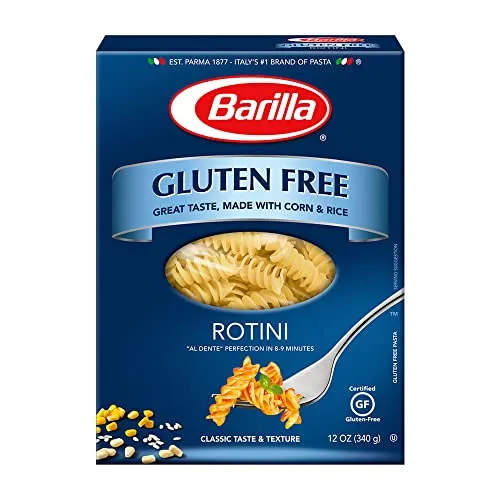
A Comprehensive Guide to Gluten-Free Pastas The rise in awareness about gluten intolerance and celiac disease has led many to explore gluten-free alternatives to traditional pasta. If you're seeking a delicious way to enjoy pasta without gluten, this guide provides a comprehensive overview of gluten-free pasta, including types, cooking methods, nutritional benefits, and tips for selection. Understanding Gluten-Free Pasta Gluten-free pasta is made from ingredients that do not contain gluten, a protein found in wheat, barley, and rye. Common alternatives include various grains, legumes, and other starches. Here are some popular bases for gluten-free pastas: 1. Rice : One of the most common alternatives, rice pasta is often easy to prepare and has a mild flavor. 2. Corn : Corn pasta has a slightly sweet taste and is typically bright yellow in color. It can have a different texture compared to wheat pasta. 3. Quinoa : A high-protein option, quinoa pasta boasts a nutty flavor and a more noticeable texture. 4. Legumes : Pasta made from lentils, chickpeas, or black beans is packed with protein and fiber, making it a nutritious choice. 5. Vegetable-Based : Some companies create pasta from vegetables like zucchini or spinach, often presenting it as a low-carb alternative. Nutritional Benefits Gluten-free pastas can offer unique nutritional advantages: - Higher Fiber Content : Many gluten-free pastas, especially those made from legumes, are rich in dietary fiber. This can support digestive health and help to keep you full longer. - Protein-Packed : Legume-based pastas tend to be higher in protein compared to traditional wheat pasta, making them a heartier option. - Rich in Vitamins and Minerals : Ingredients such as quinoa and chickpeas are loaded with essential vitamins and minerals, contributing to overall nutrition. However, it's important to keep in mind that gluten-free pastas can also be lower in certain nutrients compared to their wheat counterparts. It’s advisable to read labels carefully to understand the nutritional profile. Cooking Gluten-Free Pasta Cooking gluten-free pasta requires a few adjustments from traditional methods to achieve the best texture and taste. Here are some tips for cooking: 1. Use Plenty of Water : Gluten-free pasta tends to stick together more than regular pasta, so using a large pot with plenty of boiling water can help. 2. Avoid Overcooking : Many gluten-free pastas have different cooking times. It’s essential to monitor them closely, as they can go from perfectly cooked to mushy quickly. 3. Add Salt : Adding salt to the boiling water enhances flavor. Be sure to use a generous amount. 4. Stir Frequently : To reduce sticking, stir the pasta frequently during cooking. 5. Rinse : After cooking, some types of gluten-free pasta benefit from a quick rinse under cold water to stop the cooking process and help with sticking. Pairing Gluten-Free Pasta with Sauces One of the best aspects of pasta is its versatility in pairing with sauces. Since gluten-free pastas can vary in flavor and texture, consider these pairing tips: - Light, oil-based sauces : These can complement the delicate texture of rice or quinoa pasta. - Tomato sauces : A classic pairing that works well with most gluten-free pasta types, providing both flavor and moisture. - Creamy sauces : These can add richness and work exceptionally well with chickpea or lentil pasta, enhancing the overall flavor profile. - Pesto or vegetable sauces : These can be a fresh choice, particularly with spiralized vegetable-based pastas, reinforcing the healthful aspects of your meal. Selecting Quality Gluten-Free Pasta With a myriad of gluten-free pastas available, how do you choose the right one? Consider the following tips: 1. Read Ingredients : Look for pastas made with whole grains or legumes for added nutrition. 2. Texture Preference : Experiment with different types to find the texture you prefer, whether chewy, soft, or al dente. 3. Check for Additives : Some gluten-free pastas may contain added starches or preservatives. Opt for products with minimal ingredients for the healthiest options. 4. Cooking Quality : Research or look for reviews on how well different pastas perform when cooked, as not all brands will have the same quality. Conclusion Adopting gluten-free pasta into your diet can be a delicious and nutritious decision. By exploring the various types of gluten-free pasta, adjusting your cooking methods, and pairing with flavorful sauces, you can enjoy satisfying meals without gluten. Always remember to check the nutritional content and ingredient lists to choose the best options for your dietary needs. Bon appétit!
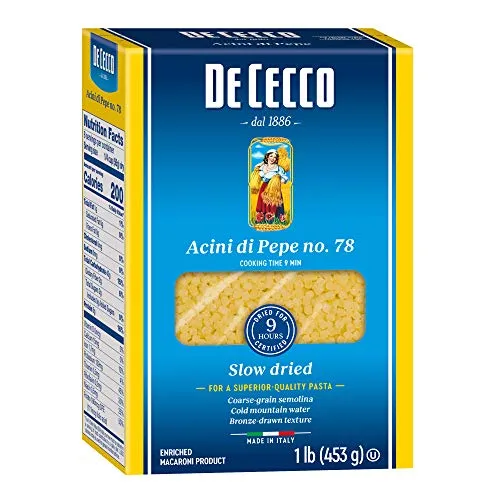
Buying Guide for Acini di Pepe Pasta Acini di pepe is a small pasta shape that resembles tiny beads or seeds. Its name translates to “seeds of pepper,” reflecting its size and shape. This unique pasta can elevate a variety of dishes, including soups, salads, and casseroles. If you’re interested in adding acini di pepe to your pantry, this guide will help you understand its uses, how to select high-quality options, and tips for preparation. What to Look for When Buying Acini di Pepe Pasta When shopping for acini di pepe, consider the following factors to ensure you get the best product: 1. Ingredients - 100% Durum Wheat Semolina : Look for pasta made primarily from durum wheat semolina, as this variety is known for its high gluten content, which provides a firm texture. - Whole Grain Options : If you are looking for a healthier choice, you might opt for whole grain acini di pepe, which contains more fiber and nutrients. 2. Texture and Color - Appearance : Quality acini di pepe pasta should have a uniform shape and a slightly rough texture, which helps sauces adhere better during cooking. - Color : A good pasta should exhibit a pale golden hue. Avoid any pasta that appears overly white, as it may have been artificially processed. 3. Dryness - Properly Dried : Look for pasta that feels hard and dry to the touch. Ensure there is no moisture, as this could indicate poor preservation, leading to spoilage or a shorter shelf life. 4. Cooking Time - Check the cooking time specified on the packaging. Quality acini di pepe typically cooks in about 10-12 minutes, but it's always best to taste a piece toward the end of the recommended cooking time to achieve your desired texture. 5. Packaging - Sealed and Undamaged : Purchase products that are sealed properly. Look for vacuum-sealed bags or boxes to ensure freshness. Avoid packages with any tears or damages. 6. Serving Size - Consider the serving size indicated on the packaging. This helps you determine how much to buy based on your planned meals or gatherings. Best Uses for Acini di Pepe Pasta Acini di pepe's small size and versatile texture make it an excellent choice for a variety of dishes. Here are some popular uses: - Soups : The pasta works wonderfully in brothy soups like minestrone or chicken soup. Its small size adds a comforting element without overwhelming the dish. - Salads : Consider using acini di pepe in cold pasta salads. It pairs well with vegetables, dressings, and proteins for a refreshing, satisfying meal. - Casseroles : Acini di pepe can be incorporated into baked dishes, lending a unique texture compared to traditional larger pasta shapes. - Side Dishes : A simple sauté with olive oil, garlic, and greens can create a delightful side dish using acini di pepe. Tips for Cooking Acini di Pepe To help you prepare your acini di pepe effectively, keep in mind these cooking tips: - Salt the Water : Always add a generous amount of salt to boiling water before cooking the pasta. This helps season the pasta as it absorbs water. - Don’t Overcook : Monitor the cooking time closely, as smaller pasta shapes can become overcooked quickly. Aim for al dente, where the pasta retains a bit of firmness. - Rinse Carefully : If using the pasta in salads, consider rinsing it with cold water after cooking to stop the cooking process. - Store Properly : Unopened packages can be stored in a cool, dry place. Once opened, transfer any unused pasta into an airtight container to maintain freshness. Conclusion Acini di pepe pasta is a delightful addition to many culinary creations, offering versatility and a unique texture that can enhance soups, salads, and casseroles. When purchasing, focus on ingredient quality, appearance, proper packaging, and potential uses. With these considerations in mind, you’ll be well-prepared to select the best acini di pepe pasta for your kitchen. Enjoy experimenting with this tiny pasta shape—it’s bound to become a new favorite!
Buying Guide for Google Display Ads Google Display Ads are a powerful tool for digital marketing, allowing businesses to reach a broader audience and enhance brand visibility across a vast network of websites and applications. This guide will help you understand everything you need to consider when buying Google Display Ads effectively. What Are Google Display Ads? Google Display Ads consist of visual advertisements that appear on the Google Display Network (GDN), a collection of millions of websites, videos, and apps. These ads can be in various formats, including banner ads, responsive ads, and rich media. Display advertising is particularly effective for brand awareness, engaging audiences, and retargeting. Key Features to Consider When purchasing Google Display Ads, here are some crucial features and factors to evaluate: Targeting Options - Demographic Targeting : You can target ads based on user demographics such as age, gender, and parental status. - Interest Targeting : Display ads can be shown to users based on their interests and online behaviors, ensuring your ads reach relevant audiences. - Remarketing : This involves targeting users who have previously interacted with your website or app. It’s an effective way to reacquaint potential customers with your offerings. - Contextual Targeting : Ads can be placed on websites that relate to your business or product category, increasing the chances of reaching interested viewers. Ad Formats Understanding the variety of ad formats available can significantly influence your decision: - Static Images : Simple banner ads that can catch the viewer’s attention quickly. - Animated Ads : These use motion to create more engaging content. - Responsive Ads : These automatically adjust their size, appearance, and format to fit the available ad space, optimizing performance across devices. - Video Ads : Utilizing video content can be an effective way to engage users and convey information more dynamically. Budgeting Establishing a budget for your campaigns is vital: - Cost-Per-Click (CPC) : You pay only when someone clicks on your ad. - Cost-Per-Thousand Impressions (CPM) : This model is useful for brand awareness campaigns, where you pay based on the number of times your ad is shown. - Daily or Monthly Budget : You can set limits on how much you're willing to spend daily or monthly, allowing for better control over your advertising expenses. Analytics and Reporting Make sure the platform provides robust analytics and reporting tools: - Campaign Performance : Assess metrics such as click-through rates (CTR), conversions, and impressions to gauge the effectiveness of your ads. - Audience Insights : Understanding who is engaging with your ads can help refine future campaigns and targeting strategies. Placement and Reach The Google Display Network offers extensive reach: - Website Placements : Display your ads on millions of partner websites, reaching a global audience. - App Placements : Your ads can appear within mobile apps, extending your reach to mobile users. - YouTube Integration : Depending on your strategy, YouTube placements can significantly amplify your video advertising efforts. Best Practices for Buying Google Display Ads To maximize the effectiveness of your display ads, consider the following best practices: Creative Design - High-Quality Visuals : Use eye-catching images and graphics that enhance your brand’s message. - Clear Call-to-Action (CTA) : Every ad should have a compelling CTA to guide users toward desired actions. - Brand Consistency : Ensure that your ads are consistent with your overall branding and messaging to maintain recognition. A/B Testing - Experiment with Variations : Create multiple versions of your ads to determine which designs or messages resonate better with your audience. - Iterate Based on Data : Use analytics from A/B tests to refine your campaigns continually. Optimize for Mobile Given the increasing use of mobile devices, ensure your ads are optimized for mobile viewing: - Responsive Design : Use responsive ads that automatically adapt to fit different screen sizes for a better user experience. - Mobile User Behavior : Tailor your messaging and CTA for mobile users, taking into account how they engage with content on their devices. Monitor and Adjust Regularly review the performance of your ads and be willing to make adjustments: - Pause Underperforming Ads : If some ads are not yielding results, consider reallocating budget and effort toward more successful campaigns. - Stay Updated : Continue to educate yourself on new features or changes in the platform to leverage the latest tools effectively. Conclusion Buying Google Display Ads can be an effective strategy for enhancing brand awareness and reaching potential customers. By carefully considering your targeting options, ad formats, budgeting, and adhering to best practices, you can create successful campaigns that drive engagement and conversions. Remember, regular

Buying Guide for Engaged Banners Engaged banners play a crucial role in modern digital marketing strategies, serving to attract attention and enhance user interaction on websites and applications. Whether you are designing an engaged banner for a promotional offer, an event, or to drive traffic to specific content, knowing what to consider during the buying process is essential. This guide will walk you through key factors to consider, types of engaged banners, and best practices for implementation. Understanding Engaged Banners Engaged banners are interactive advertisements typically displayed on websites, apps, or social media platforms. These banners can be animated, clickable, or employ other engaging elements to capture user attention and encourage interaction. Unlike static banners, engaged banners aim to convert viewers into visitors, customers, or leads through persuasive messaging and visual appeal. What to Consider When Buying Engaged Banners 1. Purpose and Goals - Identify Your Objectives: Establish what you want to achieve with your engaged banner. Is it brand awareness, click-through traffic, sales, or sign-ups? - Target Audience: Know who you are trying to reach and tailor the banner's message and design to meet their preferences and behaviors. 2. Design Elements - Visual Appeal: Choose eye-catching colors, fonts, and images that align with your branding. - Size and Placement: Select a size that fits well with your website design and is visible without being intrusive. - Animation and Interactivity: Consider adding movement or interactivity to draw attention, but ensure it doesn’t distract from the core message. 3. Messaging - Clear and Concise Statements: Use short, compelling text that conveys your message quickly. Focus on benefits, not just features. - Call to Action (CTA): Include a strong CTA encouraging users to take the desired action. Utilize phrases like “Shop Now,” “Learn More,” or “Sign Up Today.” 4. Compatibility and Responsiveness - Cross-Device Compatibility: Ensure the banner displays well on various devices, including desktops, tablets, and smartphones. - Responsive Design: The banner should adapt to different screen sizes and resolutions without losing quality or message clarity. 5. Performance Tracking - Analytics: Choose an option that allows you to track engagement metrics like impressions, clicks, and conversions. - A/B Testing: Consider investing in banners that facilitate A/B testing so you can optimize campaigns based on performance data. 6. Budget Considerations - Cost-Effectiveness: Weigh the cost of production against potential returns. Cheaper options may lack quality, while premium banners often yield better engagement. - Long-Term Investment: Think about the longevity of the banner. Investing in quality designs that can be used in multiple campaigns can save money over time. Types of Engaged Banners Static Banners - Simple and straightforward, static banners display a single image or message without any animation. Ideal for minimalistic campaigns. Animated Banners - These use animations to attract attention and convey messages in a dynamic way. They can feature transitions, slides, or interactive elements. Video Banners - Incorporating video content can be an effective way to engage users. Video banners can provide a more immersive experience. Interactive Banners - Banners that allow users to interact—like quizzes, games, or forms—tend to generate higher engagement rates by encouraging participation. Best Practices for Implementation 1. Optimize Loading Times - Ensure that your engaged banners are optimized for quick loading to prevent users from leaving your site out of frustration. 2. Consider User Experience - Position your banners strategically to capture attention without obstructing the user experience. Avoid banners that automatically pop up or diminish usability. 3. Regularly Update Content - Keep your banners fresh and relevant by rotating them frequently to reflect current offerings or seasonal promotions. 4. Ensure Accessibility - Design banners that are accessible to individuals with disabilities. Use alt text for images and make text legible with sufficient contrast against backgrounds. 5. Compliance with Regulations - Familiarize yourself with advertising regulations in your region or industry, ensuring that your banners comply to avoid any legal complications. Conclusion Investing in engaged banners can significantly enhance your digital marketing efforts. By considering your goals, design elements, messaging, compatibility, performance tracking, and budget, you can choose banners that not only attract attention but also foster genuine interaction with your audience. As you implement your engaged banners, keep best practices in mind to ensure they serve their intended purpose effectively. With the right approach, engaged banners can create a powerful connection between your brand and its potential customers, driving conversions and achieving your

Buying Guide for Smart Displays Smart displays have become increasingly popular as multifunctional devices that can serve as a central hub for home automation, communication, entertainment, and more. When considering purchasing a smart display, there are several key factors to take into account. This buying guide will help you navigate through the various features and options available. What to Consider Before Buying Purpose of Use The first step in choosing a smart display is to determine its primary purpose. Consider how you plan to use the device: - Home Automation Control: If you want to manage smart home devices like lights, thermostats, or security cameras, look for a display that integrates seamlessly with your existing setup. - Communication: If video calls and messaging are important to you, ensure the device has a decent camera and microphone. - Entertainment: For multimedia consumption, check the display quality, sound output, and app availability. Screen Size Smart displays come in various screen sizes. Common sizes range from 7 inches to over 10 inches. Here’s what to think about: - Space Requirements: Measure the space where you intend to place the device. Smaller screens can fit in tight spaces, while larger screens may serve better in open areas. - Viewing Distance: If the display will be viewed from a distance (like in a kitchen), a larger screen will enhance visibility and usability. Display Quality The quality of the screen is crucial for user experience. Look for: - Resolution: Higher resolution screens (such as HD or 4K) provide sharper images, especially if you plan to watch videos or view images. - Brightness and Color Accuracy: A display with good brightness levels and color accuracy will enhance visibility in various lighting conditions. Audio Features Good audio quality is important for music, video calls, and notifications. Consider the following: - Speaker Quality: Look for integrated speakers that have good bass and overall sound quality. - Microphone Performance: Ensure the device has multiple microphones for better voice recognition and clearer audio during calls. Smart Assistant Compatibility Most smart displays come with built-in voice assistants. Think about: - Ecosystem Compatibility: If you already use a particular smart assistant for home automation or other tasks, choose a device that works within that ecosystem. - Voice Recognition Capabilities: Some voice assistants have advanced features and improved recognition capabilities, making them more user-friendly. Connectivity Options Check the connectivity features that the smart display offers: - Wi-Fi and Bluetooth: Ensure the device supports modern Wi-Fi standards for fast streaming and connectivity. - Ports: Some displays include ports for external devices or accessories, which can be a useful feature. Application and Services Explore the range of applications and services supported by the smart display. Important ones to consider include: - Streaming Services: Ensure the device has access to the services you intend to use for music or video streaming. - Voice Assistant Features: Many smart assistants offer additional capabilities through third-party applications; check for availability. Privacy Features In today's digital age, privacy is a major concern. Look for: - Camera Covers: Some smart displays come with built-in camera covers for added privacy. - Mute Switches: A physical mute switch for the microphone can provide peace of mind when the device is not in use. Price and Warranty Finally, consider your budget: - Price Range: Smart displays come in a variety of price ranges. Identify your budget and prioritize features that are most important to you. - Warranty and Support: Look for devices that offer a warranty for added protection and reliable customer support. Summary of Considerations When buying a smart display, contemplate the following factors: 1. Purpose of Use : Determine how you will use the device. 2. Screen Size : Choose a size that fits your space. 3. Display Quality : Look for high resolution and brightness. 4. Audio Features : Prioritize speaker quality and microphone performance. 5. Smart Assistant Compatibility : Ensure it works with your existing ecosystem. 6. Connectivity Options : Check for Wi-Fi, Bluetooth, and ports. 7. Applications and Services : Ensure it supports your streaming needs. 8. Privacy Features : Consider camera covers and mute switches. 9. Price and Warranty : Find a device within your budget that offers protection. By taking the time to evaluate these key factors, you can find the right smart display that fits your lifestyle and enhances your home experience.

Guide to No-Ad Products: Embracing the Ad-Free Experience In the digital age, advertisements are ubiquitous, often overwhelming the online experience. While many appreciate the content that ads help finance, a growing number of users prefer a cleaner, less distracting interface. This guide focuses on no-ad options, offering insights into the benefits and considerations, as well as tips for finding the right no-ad products for your needs. What Are No-Ad Products? No-ad products are offerings designed to eliminate advertisements, focusing instead on delivering a streamlined and distraction-free user experience. They span a wide variety of applications and services, including: - Streaming Services: Enjoy movies, TV shows, and music without interruptions from commercials. - Web Browsers: Specific tools or extensions help block ads, creating a clean browsing experience. - Mobile Apps: Some applications provide a paid option that removes ads entirely. - Digital Publications: Many magazines and journals offer ad-free subscriptions. Benefits of Using No-Ad Products Choosing no-ad products can enhance your online experience in various ways: 1. Improved Focus: Without the distraction of ads, users can concentrate better on the content that matters. This is particularly beneficial for students, professionals, and anyone engaged in tasks requiring deep focus. 2. Faster Loading Times: Ads can significantly increase loading times. No-ad products often result in quicker access to your desired content or services. 3. Reduced Data Usage: Ads consume bandwidth, which can be a concern for users on limited data plans. Using no-ad options can help save data by limiting the amount of content loaded. 4. Enhanced Security: Ad blockers can prevent potentially harmful ads and reduce exposure to malware and phishing attempts that often accompany advertisements. 5. Positive User Experience: Many users report a more enjoyable and satisfying online experience when ads do not interrupt their activities. Considerations When Choosing No-Ad Products While the advantages are clear, there are certain factors to keep in mind: Subscription Costs Many no-ad products come at a premium. Consider the balance between cost and the enhanced experience. Determine whether the investment aligns with your budget and usage habits. Restricted Content Some services may limit access to specific content unless you opt for their ad-supported versions. Before committing, ensure that the no-ad version provides the features and content you desire. Compatibility Not all no-ad options work seamlessly with every device or platform. Verify compatibility with your preferred devices, whether it’s desktop, mobile, or smart TVs. Support and Updates Regular updates and customer support are crucial for maintaining a smooth experience. Choose products from providers known for their reliability and responsiveness. Tips for Finding and Utilizing No-Ad Products Research and Reviews Before committing to any no-ad service, conduct thorough research. Look for reviews and comparisons to understand the user experience better. Consider visiting technology forums or websites that focus on product comparisons to see what others are saying. Trial Periods Many no-ad products offer free trials or introductory periods. Take advantage of these offers to evaluate the service. This approach allows you to gauge its effectiveness and whether it meets your needs before making a financial commitment. Use Multiple Tools Consider employing a combination of no-ad options in your daily digital routine. For example, you might use an ad-blocking extension alongside a no-ad streaming service, enhancing your overall experience. Customize Settings Most no-ad products come with customizable settings. Take the time to adjust these settings according to your preferences, ensuring an experience tailored to your needs. Stay Informed The landscape of digital advertising is constantly evolving. Keep yourself informed about new no-ad options and updates to existing services. Stay connected with tech blogs, social media discussions, and newsletters to remain aware of new solutions that may enhance your experience. Conclusion Ad-free experiences in the digital world offer numerous benefits, from improved focus and faster loading times to enhanced security. However, it’s essential to weigh the associated costs and potential content restrictions. By conducting thorough research, utilizing trial periods, and making informed choices, you can fully embrace an ad-free lifestyle that enhances your online experiences. Whether you’re watching your favorite series, reading a novel, or browsing the web, no-ad products can significantly improve your interaction with digital content. Embrace the tranquility that comes with a cleaner, ad-free experience!


Guardio blocks the links that install spyware on your phone.
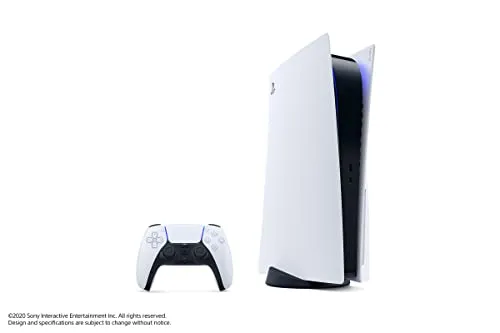
A Comprehensive Guide to Finding Affordable PlayStation 5 Consoles As the gaming community continues to grow, the demand for next-gen consoles like the PlayStation 5 (PS5) remains high. However, not everyone can afford the hefty price tags often associated with this state-of-the-art gaming machine. Luckily, there are strategies you can employ to find budget-friendly options for the PS5. Here’s a guide to help you navigate your search for an affordable console without sacrificing quality. Understanding the Value of the PS5 Before diving into how to find a cheaper PS5, it's essential to understand its value. The PS5 is renowned for its powerful hardware, which includes: - High-speed SSD : Reducing load times drastically. - Ray tracing support : Enhancing graphics to create realistic lighting effects. - Diverse game library : From blockbuster titles to indie gems. These features contribute to a gaming experience that many are eager to enjoy, which can make the console's higher price point seem worth it. However, several avenues can help you find a more affordable alternative. Where to Look for Budget-Friendly Consoles 1. Official Retailers Start by checking official retailers regularly. They often have sales, discounts, or bundles during certain times of the year. Keep an eye out for: - Holidays : Black Friday, Cyber Monday, and seasonal sales. - Bundle offers : Sometimes consoles are bundled with games or accessories at a lower price. 2. Second-Hand Market The second-hand market can be a treasure trove for affordable consoles. Websites and platforms that specialize in used items often have listings from individuals looking to sell: - Local classifieds : Look for ads in local papers or online community boards. - Gaming forums : Check out posts from gamers selling consoles. - Secondhand platforms : Websites dedicated to reselling can offer great deals. When buying used, always check the console's condition, ask for proof of working order, and ensure you can return it if necessary. 3. Trade-In Programs Many retailers offer trade-in programs, allowing you to exchange your old gaming consoles or games for credit towards a new PS5. This approach not only helps offset the cost but can make it more feasible to invest in the next-gen console. 4. Retailer Loyalty Programs Sign up for loyalty programs at major retailers. These programs often provide exclusive discounts, early access to sales, or points that you can use toward future purchases. 5. Social Media and Gaming Communities Follow social media channels and engage in gaming communities. Gamers often share tips about sales, special promotions, and even personal sales of their consoles. Platforms like Reddit, Discord, and gaming Facebook groups can be invaluable for discovering deals. Comparing Prices When you find potential options, it’s crucial to compare prices across different platforms. Use price comparison websites to track variations in price, ensuring you get the best available deal. Tips for Successful Comparison: - Check for hidden fees : Shipping or handling fees can inflate the price. - Look for warranties : Avoid units sold "as-is" without guarantees. - Factor in accessibility : Sometimes, cheaper prices come with less convenient delivery or pickup options. Looking for Refurbished Consoles Refurbished consoles can provide a middle ground between used and new units. These consoles have been inspected, repaired, and certified by a retailer, so you can be more confident in their functionality. Benefits of Buying Refurbished: - Lower cost : Often significantly cheaper than new. - Warranty : Many refurbished units come with a guarantee, offering peace of mind. - Sustainability : Opting for refurbished products contributes to reducing electronic waste. Financing Options If you're still struggling to afford a PS5 after exploring cheaper options, consider financing plans. Many retailers offer payment plans that allow you to pay for the console over time. Just ensure you understand the terms and potential interest rates, as these can vary widely. Financing Tips: - Read the fine print : Familiarize yourself with the payment schedule and any late fees. - Consider zero-interest options : Some retailers allow for interest-free financing within a promotional period. Keep an Eye on Emerging Deals As new gaming consoles are introduced, previous-gen hardware often sees price reductions. Even if it's a model older than the PS5, it might be more affordable and still deliver excellent performance. Suggested Resources to Monitor Deals: - Price tracking tools : Websites that alert you when prices drop. - Deal forums : Community-driven sites where users share the latest discounts. Conclusion Finding a cheap PlayStation 5 is certainly possible with some diligence and strategic planning. Whether it’s through checking the second-hand market, taking advantage of trade-in programs, or keeping an eye on sales, there are numerous options available. Always be patient and vigilant,

Guide to PlayStation 4 Consoles The PlayStation 4 (PS4) is a popular home video game console that has captured the hearts of gamers worldwide. Since its launch, it has stood out for its impressive hardware, extensive game library, and engaging online services. This guide will help you navigate the landscape of PS4 consoles, accessories, games, and online services. Types of Consoles The PS4 family consists of several variations, each catering to different gaming needs and preferences. Here’s a quick overview of the key types: - Standard Console : This is the original iteration of the PS4, featuring solid hardware and a vast selection of games. It is often favored for its affordability and compatibility with the extensive library of PS4 titles. - Enhanced Console : An upgraded version that boasts advanced hardware. This variant may provide enhanced graphics and performance, enabling smoother gameplay and support for higher resolutions. - Compact Console : Recognizable for its slimmer and lighter design, this version offers the same gaming experience as the standard model but is more space-efficient. It appeals to those with limited space or who prefer a more portable option. Key Features When considering a PS4 console, it's important to understand its notable features: 1. Graphics and Performance : The PS4 hardware delivers high-definition graphics and seamless performance. It supports 1080p resolution and can perform well in resource-intensive games. 2. User Interface : The console sports an intuitive user interface, making it easy for users to navigate through games, media, and settings. 3. Game Library : One of the most compelling aspects of the PS4 is its extensive game library, which includes exclusive titles as well as a broad range of third-party games across all genres. 4. Online Multiplayer : The system allows players to engage in online multiplayer games, providing a community aspect and enhanced competition. 5. Streaming Services : Integration with several streaming services allows gamers to watch movies, series, and live content directly on their console, merging gaming and entertainment. Accessories To enhance the gaming experience, consider investing in various accessories. Some valuable additions include: - Controllers : The standard gaming controller is a staple, but additional or specialized controllers can offer diverse gameplay experiences, including enhanced grip and responsiveness. - Virtual Reality Headset : Some models support a VR headset, enabling immersive gaming experiences that take advantage of virtual reality technology. - Charging Stations : Conveniently charge controllers while maintaining a tidy gaming setup. - Headsets : Good quality headsets improve communication in multiplayer games and enhance the overall experience with immersive sound. - External Storage : As game sizes increase, external hard drives may become necessary for additional space, allowing for more downloaded games and updates. Online Services To fully utilize your PS4, you should be aware of the available online services that enhance gaming capabilities: - Online Multiplayer Services : Subscriptions allow players to compete and collaborate with others globally. - Game Streaming and Downloading : Many platforms offer game rentals or purchasing services, allowing users to access and download games directly to the console. - Membership Programs : These programs can provide access to a library of games, discounts on titles, and exclusive content. Tips for Getting the Most Out of Your PS4 To elevate your gaming experience, consider the following tips: - Keep Software Updated : Ensure that your console software is updated regularly to benefit from new features, improvements, and security updates. - Explore Diverse Genres : Don’t limit yourself to a single genre; explore various types of games to discover new favorites and broaden your gaming skills. - Engage with the Community : Participate in online forums and communities to connect with other gamers, share tips, and discuss games. - Organize Your Library : Keep your game library organized by marking favorites and regularly decluttering titles that you no longer play. - Maximize Controller Battery Life : Enable features that conserve battery life on your controllers, such as turning off lights or reducing vibration during gameplay. Conclusion The PS4 consoles have significantly impacted the gaming landscape through their robust performance, extensive libraries, and engaging features. Whether you are a casual gamer or a hardcore enthusiast, understanding the options available within the PS4 family empowers you to make informed decisions. By choosing the right console, accessories, and services, you can create a gaming experience tailored to your preferences and continue to explore the ever-evolving world of interactive entertainment.
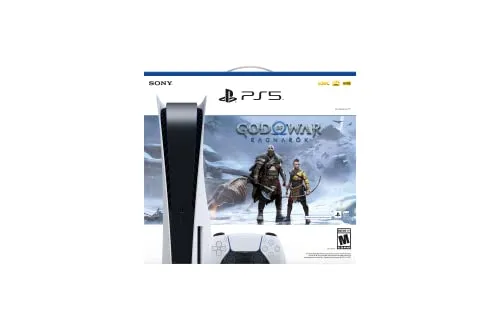
A Comprehensive Guide to Modern Gaming Consoles The world of gaming has undergone a significant evolution, with new technologies redefining player expectations and experiences. Modern gaming consoles have become more than just devices for playing games; they are multimedia entertainment hubs that offer a plethora of features. This guide explores the essential characteristics, benefits, and features of contemporary gaming consoles. Key Features of Modern Gaming Consoles 1. Powerful Hardware - Advanced processors and graphics units deliver stunning visuals and immersive gameplay. - High-speed storage options, such as SSDs, minimize loading times and enhance game performance. 2. Immersive Gaming Experience - Support for high-resolution graphics, up to 4K and beyond, for a more detailed image. - Capabilities for ray tracing enhance lighting and reflections in games for a more realistic visual experience. 3. Backward Compatibility - Many modern consoles allow players to play games from previous generations, providing a broader library and preserving game purchases over time. 4. Multimedia Capabilities - In addition to gaming, consoles can stream movies, music, and more through various applications directly. - Integration with subscription services allows users to access a wide range of content beyond gaming. 5. Social Features - Built-in features for sharing gameplay or screenshots with friends online. - Multiplayer gamers can connect seamlessly through online services, participate in various in-game events, and communicate during play. Choosing the Right Console When selecting a modern gaming console, consider the following factors: 1. Game Library - Research exclusive titles available on each platform. - Consider the variety of genres offered and whether they align with your gaming preferences. 2. Performance Requirements - Check the specifications to ensure the console meets your desired performance standards. - Look for models with faster processing times and high-quality graphics. 3. Online Services - Evaluate the online services offered by each console, such as subscription models, free monthly games, and cloud gaming capabilities. - Consider family options or parental controls if gaming will involve younger players. 4. Storage Capacity - Assess the internal storage options; some consoles offer expandable storage solutions. - Take note of any additional costs related to purchasing extra storage if needed. 5. Design and Usability - Review the console’s design and how it fits within your living space. - Consider user interface and navigational ease, especially for those new to gaming. Set Up and Connectivity Setting up a modern gaming console typically involves these steps: 1. Unboxing and Setup - Remove the console from its packaging and connect it to your TV using HDMI. - Ensure to plug in the power source and any additional devices (controllers, external storage). 2. Initial Configuration - Follow on-screen instructions for system setups, such as language selection and Wi-Fi connectivity. - Update the system software to the latest version to enjoy bug fixes and new features. 3. Account Creation - Create or link your gaming account to access online features, store purchases, and downloadable content. - Set up profiles, especially if multiple users will be sharing the console. 4. Controller Configuration - Sync your controllers and personalize settings, including sensitivity and button mappings, to fit your comfort. 5. Installation of Games - Use physical discs or download games from the online store. - Install updates prior to starting to ensure the best performance. Maintenance Tips To ensure your gaming console operates smoothly, follow these maintenance tips: - Keep it Cool : Ensure proper ventilation to avoid overheating, particularly during extended gaming sessions. - Regular Updates : Keep your console’s firmware and software updated to enjoy the latest features and security improvements. - Clean your Console : Periodically dust the console and peripherals to prevent buildup that may interfere with performance. - Manage Storage : Regularly delete unused games and apps or transfer them to external storage to optimize performance. Conclusion Modern gaming consoles are versatile devices offering much more than just gaming capabilities. With powerful hardware, extensive game libraries, and rich multimedia options, they cater to a wide array of entertainment needs. By understanding the key features, selecting the right console to meet personal preferences, and knowing how to set up and maintain it effectively, players can fully immerse themselves in the vibrant world of modern gaming.


Runneth monitors your competitors' ad libraries, surfaces what they launched and killed this week.