







Brilliant Earth
brilliantearth.com
Jul 26, 2026

Engagement Rings
Shop Rings Online & In Store
Explore e-commerce and online shopping ads running on ChatGPT. Discover companies promoting online stores, marketplaces, and shopping solutions.
Shop Rings Online & In Store
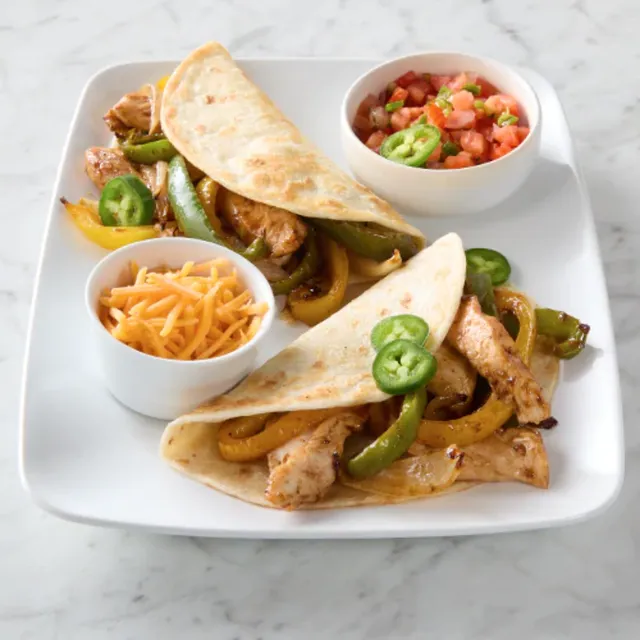
Find simple, low‑carb recipes & shop ingredients fast.

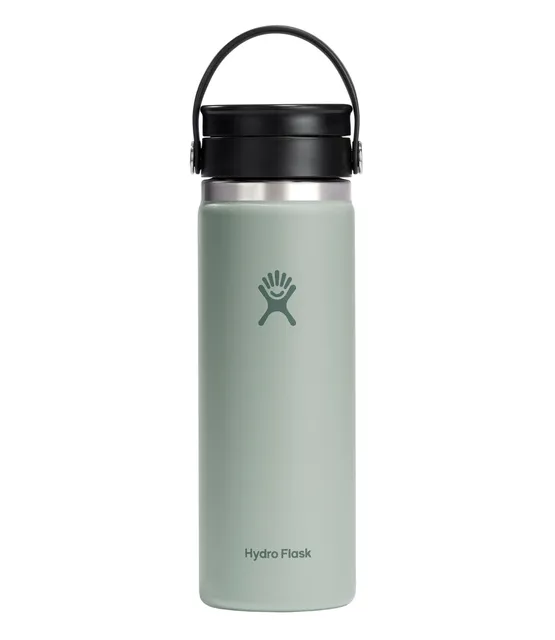
The 20 oz. Coffee with Flex Sip Lid keeps your favorite coffee hot for hours. Fits under most coffee brewing systems. BPA-free and phthalate-free. Double-wall stainless steel vacuum insulation protects temperature for hours. Top rack dishwasher safe. Use as a small at most coffee shops for less paper cup waste. Also great for keeping cold drinks cold for hours. Fits under most coffee brewing systems. Exterior is soft to the touch with comfortable handles. Imported. | Hydro Flask Coffee with Flex Sip Lid, 20 oz. Agave, Stainless Steel


Get a fast, modern checkout flow in WooCommerce without leaving WordPress.


Products, returns, and chargebacks add risk. Forbes Advisor explains timing factors.

Spaghetti Buying Guide Spaghetti is one of the most beloved pasta varieties in the world, cherished for its versatility and ease of preparation. Whether you’re a seasoned chef or a novice in the kitchen, selecting the right spaghetti can greatly enhance your dishes. This buying guide aims to help you navigate the various types of spaghetti available on the market, ensuring you choose the ideal option for your culinary needs. Types of Spaghetti Before you head to the store, it's essential to understand the different types of spaghetti that are available. This will help you select the best variant for your recipes. Traditional Spaghetti This is the most common type of spaghetti, which is long, thin, and cylindrical. Traditional spaghetti is typically made from durum wheat semolina and water, giving it a firm texture when cooked. Whole Wheat Spaghetti For those seeking a healthier option, whole wheat spaghetti is a great choice. Made from whole grain, this pasta is higher in fiber, nutrients, and has a nuttier flavor compared to traditional spaghetti. Gluten-Free Spaghetti If you or someone in your household is gluten-sensitive or has celiac disease, gluten-free spaghetti made from alternative ingredients like rice, corn, or quinoa can be a fantastic substitute. These options come in various textures and flavors, so it may take some experimentation to find your favorite. Specialty Spaghetti Various specialty spaghetti options are also available, including spinach-infused, tomato-infused, or squid ink spaghetti. These unique types can add extra flavor and visual appeal to your dishes, making them an excellent choice for special occasions. Sizing and Shape Variations Spaghetti typically comes in standard lengths, usually around 25-30 cm. However, some brands offer shorter or “breakable” versions for convenience in smaller pots or for specific recipes. Consider what you need when selecting the length. Cooking Time and Texture Different types of spaghetti may require different cooking times. Traditional spaghetti usually cooks in 8-12 minutes, whereas whole wheat or gluten-free options may take longer. Always check the cooking instructions on the package. When cooked, spaghetti should be al dente , which means it is firm to the bite. This texture is crucial for retaining the perfect balance of flavor and mouthfeel when combined with sauces. Brand and Ingredient Considerations When choosing spaghetti, consider the following: - Ingredients : Look for spaghetti made from only durum wheat and water for traditional options. For whole wheat varieties, check that they are made from 100% whole grain. For gluten-free options, also review the ingredient list for added preservatives or additives. - Quality : A good quality spaghetti will have a rougher texture, which helps sauces cling better. Usually, higher-quality products use a bronze die in the extrusion process, which imparts a more textured surface. - Organic Options : If you prefer organic products, look for spaghetti labeled as such. Organic varieties are made from wheat grown without synthetic fertilizers and pesticides. Where to Buy You can find spaghetti in various stores, including: - Supermarkets : Most large supermarkets offer a wide range of spaghetti options, from traditional to gluten-free. - Specialty Stores : Italian or gourmet specialty shops may offer a broader selection of artisanal and unique spaghetti types. - Health Food Stores : These often stock whole wheat and gluten-free options. - Online Retailers : Shopping online can provide access to a larger variety of brands and types, allowing you to read reviews and ingredient lists carefully. Price Consideration Spaghetti prices can vary significantly based on quality, type, and brand. Generally: - Budget Options : Standard spaghetti can often be found for a low price in bulk or generic packaging. - Mid-Range : Whole wheat and some artisanal varieties typically fall into the mid-range price category. - Premium : Specialty items like organic, gluten-free, or unique flavor-infused spaghetti often come at a higher price point. Serving Suggestions The beauty of spaghetti lies in its adaptability. Here are a few serving suggestions: - Classic Marinara : Pair with a rich tomato sauce and fresh basil. - Pesto : Toss with a vibrant basil pesto for a fresh, herby flavor. - Cream Sauces : Combine with Alfredo or a rich cheese sauce for a comforting meal. - Cold Dishes : Use it in a pasta salad with vegetables and vinaigrette for a refreshing dish. Conclusion Choosing the right spaghetti can play a significant role in the outcome of your dishes. By understanding the types available, the ingredients used, and cooking preferences, you can make informed decisions that cater to your tastes and dietary needs. From traditional options to gluten-free alternatives, there's a spaghetti out there for everyone! Enjoy experimenting with different sauces and flavors, and create delicious meals for yourself and your loved ones.
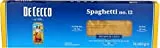
The Ultimate Buying Guide for Spaghetti Spaghetti is a beloved ingredient in many households, known for its versatility and ability to be paired with countless sauces and toppings. Whether you're a seasoned chef or a cooking novice, understanding how to choose the right spaghetti can make a significant difference in your meals. This buying guide will help you navigate the different types of spaghetti available, understand various considerations for your purchase, and enhance your cooking experience. Types of Spaghetti When shopping for spaghetti, you'll find several variations to consider. Each type offers unique textures and flavors: 1. Traditional Wheat Spaghetti - Description: The classic choice, made from durum wheat semolina. It has a firm texture and holds sauces well. - Uses: Pairs with almost any sauce, especially tomato-based or cream sauces. 2. Whole Wheat Spaghetti - Description: Made from whole grain durum wheat, this option is higher in fiber and nutrients. - Uses: Ideal for health-conscious individuals, pairs well with pesto and vegetable sauces. 3. Gluten-Free Spaghetti - Description: Made from gluten-free grains like rice, corn, or quinoa. This choice is perfect for those with gluten sensitivities. - Uses: Works well with lighter sauces, like olive oil and lemon, or served in salads. 4. Egg Noodles - Description: While technically in a different category, egg noodles share similarities with spaghetti and add richness due to the egg content. - Uses: Great for heavier, cream-based dishes, or combined into casseroles. 5. Novelty Spaghetti - Description: Varieties infused with ingredients like spinach, beet, or other vegetables to add color and flavor. - Uses: Fun for special occasions or kid-friendly meals, pairs with simple sauces to highlight the flavors. 6. Artisanal Spaghetti - Description: Handcrafted or small-batch spaghetti made with traditional methods, offering unique textures and shapes. - Uses: Best enjoyed with simple sauces that emphasize the pasta's quality. Key Considerations When Buying Spaghetti When selecting spaghetti, consider the following factors to ensure you choose the best option for your needs: 1. Ingredients - Check for high-quality ingredients. Look for spaghetti made from 100% durum wheat semolina for the best texture and cooking performance. 2. Texture and Cooking Time - Different types of spaghetti may require different cooking times. Traditional wheat spaghetti usually takes 8-12 minutes, depending on thickness. Check the packaging for specific recommendations. 3. Nutritional Content - If you have dietary preferences or restrictions, explore options like whole wheat or gluten-free spaghetti. Whole wheat is higher in fiber, while gluten-free may offer fewer carbs depending on the grain employed. 4. Shape and Size - Spaghetti comes in various thicknesses. Thin spaghetti cooks faster and can be used for lighter dishes, while thicker varieties stand up better to hearty sauces. 5. Sourcing - Consider purchasing from local shops or farmers' markets for artisanal varieties. This may help support local businesses while giving you access to unique flavors. 6. Cost - Pricing can vary significantly. While mass-produced options are generally less expensive, you may want to invest more in artisanal or organic varieties for higher quality. Cooking Tips Once you've purchased your spaghetti, keep the following tips in mind to ensure delicious results: 1. Proper Cooking - Always boil spaghetti in a large pot of salted water. This helps to season the pasta and enhances flavor. 2. Al Dente Texture - Aim for an ‘al dente’ texture, which means the spaghetti should be firm to the bite. This quality helps it hold up better when mixing with sauces. 3. Reserve Pasta Water - Save a cup of pasta cooking water before draining. This starchy water can be added to sauces to improve consistency and help them adhere to the pasta. 4. Pairing with Sauce - Consider the weight of your sauce when choosing your spaghetti. Heavier sauces pair well with thicker spaghetti, while lighter sauces complement thinner varieties. 5. Experiment with Preparations - Don’t hesitate to explore spaghetti in unexpected dishes, such as spaghetti salads or baked pasta dishes. Conclusion Choosing the right spaghetti can greatly enhance your culinary experience. By considering the types of spaghetti, your personal preferences, and following cooking tips, you can create delicious meals your family and friends will love. Enjoy your culinary adventures with spaghetti as the star!
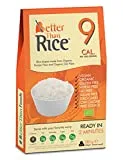
Buying Guide for Better Pasta When it comes to choosing the perfect pasta, the variety of options available can be overwhelming. Better pasta not only elevates your meals but can also contribute to a healthier diet. This guide will help you make informed decisions when shopping for pasta, ensuring you select the finest quality while aligning with your dietary preferences. Understanding Pasta Varieties Pasta comes in numerous shapes, sizes, and formulations. Here are a few key types to consider: 1. Types of Pasta - Wheat Pasta : The most common type, made from durum wheat. It's rich in carbohydrates and provides a good energy source. - Whole Grain Pasta : Made from whole wheat flour, it's higher in fiber and nutrients compared to regular wheat pasta. - Gluten-Free Pasta : Made from alternative grains like rice, quinoa, or lentils, catering to those with gluten sensitivities or celiac disease. - Legume-Based Pasta : Made from beans or lentils, it's an excellent source of protein and fiber. - Vegetable Pasta : Made with a combination of vegetable powders and traditional flours, offering a way to increase your vegetable intake. 2. Shape Matters Different pasta shapes serve different purposes. Here are some popular shapes: - Spaghetti : Best for light, oil-based sauces. - Fusilli : Great for holding onto thicker sauces. - Penne : Works well in baked dishes and salads. - Farfalle : Fun bow-tie shape, ideal for creamy sauces. - Orecchiette : Small ear-shaped pasta that holds onto chunkier sauces. Choose shapes based on the type of dish you plan to prepare, as the texture and structure will impact the final result. Key Ingredients to Look For When examining pasta options, it's important to scrutinize ingredient lists. Here are some factors to consider: 1. Grain Type The type of grain significantly affects the nutritional profile. Look for: - Whole Grains : Opt for whole grain pasta to enjoy the benefits of fiber, vitamins, and minerals. - Legumes : If you're seeking more protein and fiber, legume-based pasta is a fantastic alternative. 2. Additives and Preservatives Avoid pasta with artificial additives or preservatives. A shorter ingredient list typically indicates higher quality. Look for: - No artificial colors - No preservatives - Minimal processing 3. Nutritional Content Assess the nutritional information on the package. Specifically, look for: - Protein : Aim for pastas with higher protein content, especially if they are legume-based. - Fiber : High fiber options (typically whole grain and legume pastas) will contribute to satiety and digestive health. - Carbohydrates : Balance is key; high-quality pasta will provide complex carbohydrates that release energy slowly. Cooking Considerations The cooking process can also impact the quality of pasta. Here are some tips for preparing better pasta: 1. Al Dente Cooking : Aim to cook pasta until it is al dente (firm to the bite). This maximizes nutritional content and texture. 2. Salted Water : Use generously salted water (about 1 tablespoon per gallon) to enhance flavor during cooking. 3. Avoid Overcooking : Be sure to monitor cooking times closely. Overcooked pasta loses its texture and can become mushy. 4. Sauce Pairing : Choose sauces that complement the type and shape of pasta you’re using. Lighter sauces are better with long strands, while chunky sauces work well with shapes that can hold them. Where to Buy Pasta can be found at various types of stores, but the quality can vary. Here are some good options: - Health Food Stores : Often carry a wide range of high-quality, organic, and gluten-free options. - Specialty Markets : Look for stores that focus on artisanal products; they may carry handmade or locally sourced pasta. - Online Retailers : You can find unique and specialty pastas online, though ensure to check the reputation of the seller. Conclusion Selecting better pasta involves considering the type, ingredients, and cooking methods. Whether you seek whole grain, gluten-free, or legume-based options, the goal is to choose pasta that not only tastes great but also aligns with your health objectives. By paying attention to these factors, you can elevate your pasta dishes and enjoy a nutritious addition to your meals. Remember, good pasta is the foundation of many delightful dishes, so invest in quality for memorable culinary experiences!
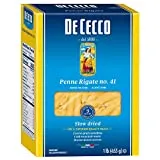
Buying Guide for Premium Pasta When it comes to culinary staples, few items hold as much versatility as pasta. Premium pasta brands offer quality beyond the ordinary, promising better texture and flavor for your dishes. Below is a comprehensive buying guide to help you choose the best premium pasta for your kitchen. Understanding Premium Pasta Premium pasta is typically characterized by its high-quality ingredients and production methods. Look for pasta made from: - Semolina Flour : This is a coarse flour made from durum wheat. It is ideal for pasta due to its high gluten content, which provides the pasta with a firm texture. - Artisanal Production : Traditional methods like bronze-drawing are used to give pasta a rougher surface, which helps sauces adhere better. - Quality Ingredients : Many premium brands use organic and non-GMO ingredients, which can make a difference in flavor and nutritional value. Types of Pasta to Consider Pasta comes in various shapes and sizes, each suited to different types of dishes. Here are some common types to consider: - Long Pasta : Such as spaghetti, fettuccine, and linguine; these are great for light sauces, olive oil, or simple pesto. - Short Pasta : Like penne, rigatoni, and farfalle; ideal for chunkier sauces and baked pasta dishes. - Specialty Pasta : Such as whole wheat, gluten-free, or infused with flavors (e.g., spinach, beet); perfect for those with dietary restrictions or looking for unique presentations. Key Features to Look For When shopping for premium pasta, keep the following features in mind: Ingredients - Quality of Flour : Ensure the pasta is made of high-quality semolina or durum wheat. - Additives : Premium pasta should have minimal additives. Avoid options with excessive preservatives or artificial flavors. - Nutritional Value : Look for pasta that includes whole grains for added fiber, or other enriched options. Texture - Surface Finish : A rough texture (often achieved through bronze dies) helps sauces cling to the pasta better, enhancing your dish. - Thickness : Thicker pasta like pappardelle holds up well against hearty sauces, while thinner pasta such as angel hair is better suited for lighter, faster-cooking sauces. Cooking Quality - Cooking Time : Check the recommended cooking time on the packaging. Premium pasta often requires slightly longer cooking times but yields a better al dente texture. - Quality Control : Look for indications that the brand tests its pasta for perfect cooking, such as indicating the ideal firmness every time. Packaging - Design : Premium pasta is often packaged in elegant boxes or bags, reinforcing the brand's image and commitment to quality. - Recyclability : Look for brands that use environmentally friendly packaging materials. Price Point Premium pasta is usually more expensive than standard options. However, consider it an investment in quality. A good-quality pasta can elevate an ordinary dish into something extraordinary. Pricing may vary based on: - Quality of Ingredients : Organic or specialty grains may come at a premium. - Artisanal Production Methods : Handcrafted or small-batch pastas often have higher price tags due to the labor and skill involved. Cooking Tips Once you've purchased your premium pasta, proper cooking techniques are essential to maximize its potential: 1. Use Plenty of Water : Always boil pasta in ample salted water. A general rule is to use 1 gallon of water per pound of pasta. 2. Save Pasta Water : Reserve some of the pasta water before draining. This starchy water can be added to sauces for better cohesion. 3. Timing : Cook until al dente, which means firm to the bite. This not only enhances texture but helps maintain flavor. 4. Avoid Overcooking : Premium pasta can lose its texture if overcooked, so keep an eye on the time. Pairing Suggestions Choosing the right sauce is just as important as selecting high-quality pasta. Consider pairing your premium pasta with: - Light Olive Oil Sauces : A simple garlic and olive oil sauce (aglio e olio) complements long pasta. - Hearty Meat Sauces : Short pasta works well with rich ragùs. - Vegetable-Based Sauces : Pesto sauces pair beautifully with various shapes, especially short pasta. - Creamy Sauces : Thick sauces go best with ridged pasta that can hold the creaminess. Conclusion When shopping for premium pasta, focus on quality ingredients, potently textured options, and artisanal production methods. Remember that investing in quality pasta can make all the difference in your culinary creations, allowing you to create delicious meals that friends and family will love. Embrace the world of pasta and enjoy experimenting with various recipes and pairings!
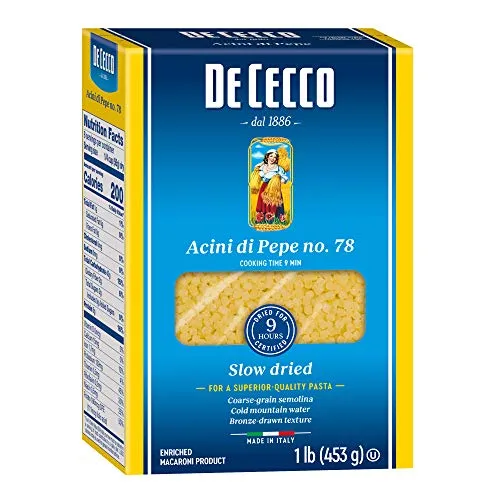
Buying Guide for Acini di Pepe Pasta Acini di pepe is a small pasta shape that resembles tiny beads or seeds. Its name translates to “seeds of pepper,” reflecting its size and shape. This unique pasta can elevate a variety of dishes, including soups, salads, and casseroles. If you’re interested in adding acini di pepe to your pantry, this guide will help you understand its uses, how to select high-quality options, and tips for preparation. What to Look for When Buying Acini di Pepe Pasta When shopping for acini di pepe, consider the following factors to ensure you get the best product: 1. Ingredients - 100% Durum Wheat Semolina : Look for pasta made primarily from durum wheat semolina, as this variety is known for its high gluten content, which provides a firm texture. - Whole Grain Options : If you are looking for a healthier choice, you might opt for whole grain acini di pepe, which contains more fiber and nutrients. 2. Texture and Color - Appearance : Quality acini di pepe pasta should have a uniform shape and a slightly rough texture, which helps sauces adhere better during cooking. - Color : A good pasta should exhibit a pale golden hue. Avoid any pasta that appears overly white, as it may have been artificially processed. 3. Dryness - Properly Dried : Look for pasta that feels hard and dry to the touch. Ensure there is no moisture, as this could indicate poor preservation, leading to spoilage or a shorter shelf life. 4. Cooking Time - Check the cooking time specified on the packaging. Quality acini di pepe typically cooks in about 10-12 minutes, but it's always best to taste a piece toward the end of the recommended cooking time to achieve your desired texture. 5. Packaging - Sealed and Undamaged : Purchase products that are sealed properly. Look for vacuum-sealed bags or boxes to ensure freshness. Avoid packages with any tears or damages. 6. Serving Size - Consider the serving size indicated on the packaging. This helps you determine how much to buy based on your planned meals or gatherings. Best Uses for Acini di Pepe Pasta Acini di pepe's small size and versatile texture make it an excellent choice for a variety of dishes. Here are some popular uses: - Soups : The pasta works wonderfully in brothy soups like minestrone or chicken soup. Its small size adds a comforting element without overwhelming the dish. - Salads : Consider using acini di pepe in cold pasta salads. It pairs well with vegetables, dressings, and proteins for a refreshing, satisfying meal. - Casseroles : Acini di pepe can be incorporated into baked dishes, lending a unique texture compared to traditional larger pasta shapes. - Side Dishes : A simple sauté with olive oil, garlic, and greens can create a delightful side dish using acini di pepe. Tips for Cooking Acini di Pepe To help you prepare your acini di pepe effectively, keep in mind these cooking tips: - Salt the Water : Always add a generous amount of salt to boiling water before cooking the pasta. This helps season the pasta as it absorbs water. - Don’t Overcook : Monitor the cooking time closely, as smaller pasta shapes can become overcooked quickly. Aim for al dente, where the pasta retains a bit of firmness. - Rinse Carefully : If using the pasta in salads, consider rinsing it with cold water after cooking to stop the cooking process. - Store Properly : Unopened packages can be stored in a cool, dry place. Once opened, transfer any unused pasta into an airtight container to maintain freshness. Conclusion Acini di pepe pasta is a delightful addition to many culinary creations, offering versatility and a unique texture that can enhance soups, salads, and casseroles. When purchasing, focus on ingredient quality, appearance, proper packaging, and potential uses. With these considerations in mind, you’ll be well-prepared to select the best acini di pepe pasta for your kitchen. Enjoy experimenting with this tiny pasta shape—it’s bound to become a new favorite!
Your Comprehensive Buying Guide for a Pasta Variety Pack (16 oz) Pasta is a culinary staple around the globe, cherished for its versatility, quick preparation time, and the delightful textures it brings to a meal. A pasta variety pack, especially one that weighs 16 oz, provides a fantastic opportunity to explore different types, enrich meals, and cater to diverse preferences. In this guide, we will help you understand everything you need to know before making your purchase. Why Choose a Pasta Variety Pack? 1. Versatility A variety pack offers different shapes and types of pasta, allowing for a range of recipes. From classic spaghetti and fettuccine to unique shapes like farfalle and orecchiette, having a selection on hand enhances your cooking experience and creativity in the kitchen. 2. Convenience With a variety pack, you won’t need to buy multiple individual boxes of pasta. This not only saves you time but also keeps your pantry well-stocked for any spontaneous meal ideas. 3. Cost-Effectiveness Buying a variety pack can often be more economical than purchasing several different boxes individually. This can help you save money while trying out new pasta types. What to Look For in a Pasta Variety Pack When shopping for a pasta variety pack, consider the following factors: 1. Types of Pasta Included Look for a selection that includes a mix of shapes and sizes. Popular options might include: - Spaghetti - Penne - Fusilli - Farfalle - Macaroni - Lasagna sheets This variety allows for a range of cooking methods and pairings with different sauces. 2. Quality of Ingredients Check the packaging for details on the ingredients. High-quality pasta is typically made from durum wheat semolina, which has a high protein content, providing better texture and flavor. If available, look for whole wheat or organic options for added nutritional benefits. 3. Cooking Time Consider the cooking times of the pasta types included in the pack. Most dried pasta cooks quickly—usually within 8 to 12 minutes. However, knowing the cooking times can help you plan meal prep, especially if you’re pairing different types in one dish. 4. Dietary Considerations If you or anyone you are cooking for has dietary restrictions, look for packs that cater to specific needs, such as gluten-free options or those made from legumes like chickpeas or lentils. 5. Packaging and Storage A 16 oz variety pack should be well-packaged to maintain freshness. Look for resealable bags or boxes that keep the pasta secure, preventing breakage and exposure to moisture. Tips for Cooking Pasta 1. Don’t Skimp on Water Always cook pasta in a large pot of boiling water. The general rule of thumb is to use 4-6 quarts of water per pound of pasta. This helps prevent sticking and ensures even cooking. 2. Salt the Water Adding salt to your cooking water enhances the flavor of the pasta. A good starting point is about 1 tablespoon of salt for every 2 quarts of water. 3. Cook Al Dente For the best texture, aim to cook pasta "al dente," meaning it should be firm to the bite. Check the package for recommended cooking times and taste a piece a minute or two before it’s supposed to be done. 4. Save Some Pasta Water Before draining, save a cup of the starchy pasta cooking water. This can be added to sauces to help thicken them and improve the overall texture of the dish. Storage Tips for Unused Pasta Pasta has a long shelf life, but proper storage can extend its freshness even further. Here are some tips: - Keep unopened packs in a cool, dry place. - Once opened, transfer any remaining pasta to an airtight container to keep pests out and retain freshness. - Always check for any signs of spoilage or off-smells before cooking older pasta. Conclusion Choosing a pasta variety pack can elevate your cooking and give you a chance to experiment with new recipes and flavors. By considering the types of pasta included, cooking times, and quality, you can make an informed decision that fits your culinary needs. With the perfect variety pack in hand, the world of pasta is at your fingertips—ready to be enjoyed in countless delicious ways.
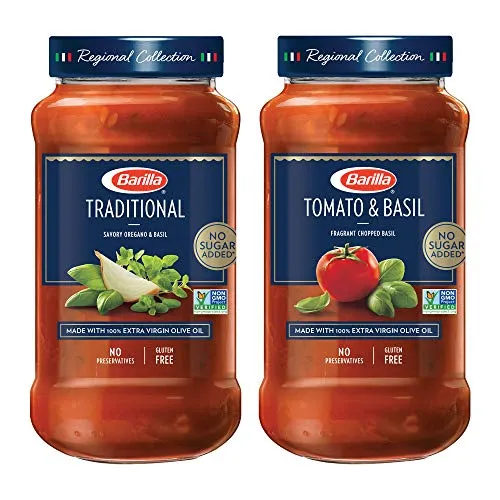
Barilla Sauce Buying Guide Barilla is a well-known brand that produces a wide range of pasta and pasta sauces. Their pasta sauces are made using natural ingredients, and are known for their rich and authentic flavors. If you are looking to purchase a pasta sauce from Barilla, here are some things you should keep in mind: Ingredients: When purchasing a Barilla sauce, it is important to check the ingredients to ensure that they are of good quality and not harmful to your health. Look for sauces that are made from natural and fresh ingredients, such as tomatoes, olives, mushrooms, garlic, and herbs. Avoid sauces that contain artificial flavors, preservatives, or high amounts of sugar and sodium. Flavor: Barilla offers a wide variety of pasta sauces that cater to different taste preferences. Take the time to read through the different flavors and determine which one appeals to you the most. If you are unsure about which flavor to try, start with a basic tomato sauce, as it is versatile and can be used in multiple dishes. Consistency: The consistency of the sauce should also be considered when making your purchase. Some people prefer thick and chunky sauces, while others prefer smoother and more uniform textures. Barilla offers different types of pasta sauces, including chunky, smooth, and creamy, so you can choose according to your personal preference. Packaging: The packaging of the Barilla sauce should also be taken into consideration. Look for sauces that come in durable and leak-proof packaging, such as glass jars or plastic bottles, to ensure that they do not spill or leak during transportation. Price: Barilla sauces are competitively priced, and can be found in grocery stores and supermarkets. Compare prices at different retailers to find the best deal and ensure that you are not overpaying for the product. Keep in mind that larger jars or bottles are often more cost-effective than smaller sizes. Nutritional Value: If you are concerned about the nutritional value of your food, you should pay attention to the nutritional information provided on the packaging. Look for sauces that are low in calories, fat, and sodium, but high in vitamins and minerals. Barilla offers some low-fat and low-calorie pasta sauces, which are great options for those who are watching their weight or have health concerns. Allergies: If you have any allergies or sensitivities, be sure to check the allergen information on the packaging before making your purchase. Barilla offers pasta sauces that are gluten-free, dairy-free, and nut-free, making them suitable for people with specific dietary requirements. Compatibility: Barilla pasta sauces are designed to complement their pasta, but they can be used with other types of pasta as well. Keep in mind that certain sauces work better with specific types of pasta, such as pesto with spaghetti or alfredo with fettuccine. However, personal taste and experimentation should guide your pasta and sauce pairing choices. Availability: Barilla sauces are widely available in various regions, making them easily accessible. However, some supermarkets or grocery stores may carry a limited range of Barilla sauce flavors. If you have a specific flavor in mind, it is recommended to call ahead to ensure they have it in stock. In conclusion, when purchasing a Barilla pasta sauce, consider the ingredients, flavor, consistency, packaging, price, nutritional value, allergens, compatibility, and availability. By taking these factors into account, you can find a Barilla sauce that suits your taste and dietary needs.
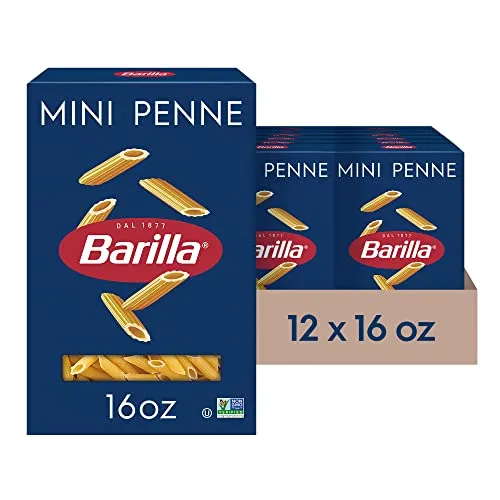
Buying Guide for Penne Pasta Penne pasta is a versatile and beloved staple in many kitchens around the world. Its unique shape and texture make it ideal for a variety of dishes, from classic Italian recipes to modern culinary fusions. If you're looking to purchase penne pasta, this guide will help you navigate your options, understand key features, and ensure you make the best choice for your culinary needs. Understanding Penne Pasta Penne pasta is characterized by its cylindrical shape, typically cut diagonally at both ends, and has ridges (called "rigate") or a smooth surface (called "lisce"). The ridges help hold sauces better, making penne an excellent choice for both light and chunky sauces. Types of Penne 1. Penne Rigate - Features ridges on the exterior. - Ideal for thicker and chunkier sauces, as the ridges allow for better sauce adherence. 2. Penne Lisce - Smooth surface without ridges. - Works well with lighter sauces, cream sauces, and oil-based dressings. 3. Whole Wheat Penne - Made from whole wheat flour. - Offers a heartier texture and more fiber, making it a healthier choice. 4. Gluten-Free Penne - Made from alternative flours like rice, corn, or legume flour. - Suitable for those with gluten intolerance or celiac disease. Flavor and Ingredients When choosing penne pasta, consider the following ingredients: - Semolina Flour : Traditional penne is made from semolina, derived from durum wheat. This provides a firm texture and a rich flavor. - Whole Wheat Flour : Offers additional nutrients and a nuttier taste. - Gluten-Free Options : Look for blends that provide the closest texture and taste to traditional pasta. Cooking Time and Preparation Penne pasta typically cooks in 11-13 minutes . Be sure to check the package for specific cooking times, as they may vary based on thickness and brand. To ensure the best texture: - Use ample water : A good rule of thumb is 4-6 quarts of water for every pound of pasta. - Add salt : Salt enhances flavor; add about 1-2 tablespoons per quart of water. - Taste for doneness : Start tasting a minute or so before the suggested cooking time. Buying Considerations Quality When purchasing penne, look for brands that prioritize quality ingredients: - Check the label for certifications that indicate the pasta is made from 100% durum wheat if you're seeking traditional textures. - Look for authenticity : Products made in Italy often adhere to stricter standards of quality and tradition. Packaging Penne pasta usually comes in a variety of packaging options: - Bulk packages : Ideal for those who frequently cook with pasta. Purchasing in bulk can save money. - Resealable bags : Convenient for storing unused pasta and keeping it fresh. - Single-serving packs : Great for portion-control and convenience. Price Penne pasta prices can vary significantly: - Budget-friendly options are widely available, especially in larger quantities. - Premium options may come at a higher price due to quality ingredients or organic certifications. Assess what fits your budget and usage frequency. Nutrition Review the nutritional information based on your dietary goals: - Whole wheat versions are higher in fiber and can be beneficial for digestion. - If managing carbohydrates, consider gluten-free or legume-based options, which often have different macronutrient profiles. Where to Buy Penne pasta can be found in various locations: - Grocery Stores : Most supermarkets have a dedicated pasta aisle carrying a range of brands and types. - Health Food Stores : These stores often offer organic and specialty pasta options. - Online Retailers : Convenient for bulk buying; look for trusted grocery websites that can deliver a variety of options. - Local Italian Markets : These stores typically have authentic products and possibly fresh options. Cooking Suggestions Penne pasta is incredibly versatile. Here are a few ideas to inspire your cooking: - Baked Penne : Combine with marinara sauce, mozzarella, and bake until bubbly. - Penne Salad : Toss with roasted vegetables, olives, and a light vinaigrette. - Creamy Penne : Sauté garlic and mushrooms in cream for a rich sauce to mix with penne. - Penne Primavera : Sauté seasonal vegetables and mix in olive oil and parmesan for a fresh dish. Final Thoughts Choosing the right penne pasta relies on understanding your preferences, dietary restrictions, and cooking needs. By considering the types, quality, and practical aspects of buying pasta, you can make an informed decision that enhances your culinary experience. Enjoy experimenting with different recipes and pairing penne with your favorite sauces!

Buying Guide for Engaged Banners Engaged banners play a crucial role in modern digital marketing strategies, serving to attract attention and enhance user interaction on websites and applications. Whether you are designing an engaged banner for a promotional offer, an event, or to drive traffic to specific content, knowing what to consider during the buying process is essential. This guide will walk you through key factors to consider, types of engaged banners, and best practices for implementation. Understanding Engaged Banners Engaged banners are interactive advertisements typically displayed on websites, apps, or social media platforms. These banners can be animated, clickable, or employ other engaging elements to capture user attention and encourage interaction. Unlike static banners, engaged banners aim to convert viewers into visitors, customers, or leads through persuasive messaging and visual appeal. What to Consider When Buying Engaged Banners 1. Purpose and Goals - Identify Your Objectives: Establish what you want to achieve with your engaged banner. Is it brand awareness, click-through traffic, sales, or sign-ups? - Target Audience: Know who you are trying to reach and tailor the banner's message and design to meet their preferences and behaviors. 2. Design Elements - Visual Appeal: Choose eye-catching colors, fonts, and images that align with your branding. - Size and Placement: Select a size that fits well with your website design and is visible without being intrusive. - Animation and Interactivity: Consider adding movement or interactivity to draw attention, but ensure it doesn’t distract from the core message. 3. Messaging - Clear and Concise Statements: Use short, compelling text that conveys your message quickly. Focus on benefits, not just features. - Call to Action (CTA): Include a strong CTA encouraging users to take the desired action. Utilize phrases like “Shop Now,” “Learn More,” or “Sign Up Today.” 4. Compatibility and Responsiveness - Cross-Device Compatibility: Ensure the banner displays well on various devices, including desktops, tablets, and smartphones. - Responsive Design: The banner should adapt to different screen sizes and resolutions without losing quality or message clarity. 5. Performance Tracking - Analytics: Choose an option that allows you to track engagement metrics like impressions, clicks, and conversions. - A/B Testing: Consider investing in banners that facilitate A/B testing so you can optimize campaigns based on performance data. 6. Budget Considerations - Cost-Effectiveness: Weigh the cost of production against potential returns. Cheaper options may lack quality, while premium banners often yield better engagement. - Long-Term Investment: Think about the longevity of the banner. Investing in quality designs that can be used in multiple campaigns can save money over time. Types of Engaged Banners Static Banners - Simple and straightforward, static banners display a single image or message without any animation. Ideal for minimalistic campaigns. Animated Banners - These use animations to attract attention and convey messages in a dynamic way. They can feature transitions, slides, or interactive elements. Video Banners - Incorporating video content can be an effective way to engage users. Video banners can provide a more immersive experience. Interactive Banners - Banners that allow users to interact—like quizzes, games, or forms—tend to generate higher engagement rates by encouraging participation. Best Practices for Implementation 1. Optimize Loading Times - Ensure that your engaged banners are optimized for quick loading to prevent users from leaving your site out of frustration. 2. Consider User Experience - Position your banners strategically to capture attention without obstructing the user experience. Avoid banners that automatically pop up or diminish usability. 3. Regularly Update Content - Keep your banners fresh and relevant by rotating them frequently to reflect current offerings or seasonal promotions. 4. Ensure Accessibility - Design banners that are accessible to individuals with disabilities. Use alt text for images and make text legible with sufficient contrast against backgrounds. 5. Compliance with Regulations - Familiarize yourself with advertising regulations in your region or industry, ensuring that your banners comply to avoid any legal complications. Conclusion Investing in engaged banners can significantly enhance your digital marketing efforts. By considering your goals, design elements, messaging, compatibility, performance tracking, and budget, you can choose banners that not only attract attention but also foster genuine interaction with your audience. As you implement your engaged banners, keep best practices in mind to ensure they serve their intended purpose effectively. With the right approach, engaged banners can create a powerful connection between your brand and its potential customers, driving conversions and achieving your


Compare the Honda Prologue with the Chevrolet Blazer EV and browse local inventory.


Evaluate fees, checkout, payouts, and platform integration.


We find the checkout friction costing DTC brands revenue—and rank what to fix first.

Launch a business you control with tools for selling and growth.
Use a free template to map paid and organic acquisition channels.

A Comprehensive Guide to Finding PlayStation Consoles for Sale Finding a new gaming console can be an exciting yet daunting task, especially if you're looking for the latest gaming experiences. PlayStation consoles have carved out a legendary status in the gaming community, and understanding what to consider when shopping can ensure you make an informed buying decision. This guide will provide you with key considerations and tips for finding PlayStation consoles available for sale. Understanding Your Needs Before embarking on your search, it’s essential to determine your gaming preferences and how a console fits into that picture. Consider Your Gaming Style - Casual vs. Hardcore Gaming: Are you a casual gamer who plays occasionally or a hardcore gamer who invests hours each day? Your choice might differ depending on your level of engagement. - Multiplayer vs. Single Player: If you favor multiplayer experiences, ensure that the console supports online services and has a good library of multiplayer titles. - Exclusive Titles: Investigate the exclusive games available for different consoles, as these can significantly impact your gaming experience. Determine Your Budget Setting a budget is critical. PlayStation consoles can vary widely in price based on their generation, model, and availability. Consider the following: - New vs. Used: New consoles typically come at full price, while used or refurbished units can save you money. - Accessories and Games: Remember to factor in the cost of controllers, games, and any additional accessories you might need. Where to Look Adventure into the world of shopping for consoles can be done through several channels. Here are effective avenues to explore: Online Retailers - Major online retailers often have a wide selection of consoles. - Look for deals, bundles, or promotions that may include games or additional accessories. - Ensure that the seller has solid returns and warranty policies. Local Game Stores - Check out local gaming shops, which can sometimes offer competitive prices on used consoles. - You may also find the advantage of inspecting the console before purchase. Online Marketplaces - Websites for buying and selling used goods can yield excellent finds, but be cautious. - Always check seller ratings and reviews before making a purchase. - Inspect photos and product descriptions thoroughly to avoid issues. Social Media and Community Groups - Look for gaming groups or forums that often have members selling their consoles. - Networking in these communities can lead to deals and trusted sellers. Things to Consider When Buying Condition of the Console Carefully examine the state of the console before making a purchase: - New vs. Used: New consoles come in pristine condition, but second-hand ones might have wear and tear. - Functionality: Ask about the console's working condition, including any glitches or previous repairs. Warranty and Returns - Always inquire about manufacturer warranties if purchasing new. - For used consoles, ask if the seller offers any type of return policy. This could save you from purchasing a faulty product. Accessories Included A console’s value can increase based on its accessories: - Controllers, cables, and any games included should be considered as part of the deal. - Check the number of controllers and their condition—additional controllers can be an added expense. Final Steps Before Purchase Once you have identified a potential console, follow these steps to finalize your purchase: Conduct Thorough Research - Read reviews for the specific console model to ensure it meets your expectations. - Utilize gaming forums or community boards to gather insights from other gamers about their experiences. Compare Prices - Price comparisons across different platforms help ensure that you’re getting the best deal available. - Use price tracking tools or websites to see price history and trends. Make the Purchase - Once you are satisfied with your findings, proceed with the purchase. - Ensure secure payment methods are used, especially with online purchases, to protect your financial information. After the Purchase After successfully acquiring your console, here are key actions to take: Set Up and Register - Follow setup instructions carefully and consider registering your console for warranty updates. Explore Available Games - Start building your game library to maximize your new console’s potential. - Look out for seasonal sales to expand your collection at a lower cost. Conclusion By assessing your gaming needs, exploring the right places to shop, and considering crucial factors before purchasing, you can successfully find the perfect console that will elevate your gaming experience. With the right tools and knowledge, you’ll be ready to embark on countless gaming adventures ahead!

A Comprehensive Guide to Finding Affordable PlayStation 5 Consoles As the gaming community continues to grow, the demand for next-gen consoles like the PlayStation 5 (PS5) remains high. However, not everyone can afford the hefty price tags often associated with this state-of-the-art gaming machine. Luckily, there are strategies you can employ to find budget-friendly options for the PS5. Here’s a guide to help you navigate your search for an affordable console without sacrificing quality. Understanding the Value of the PS5 Before diving into how to find a cheaper PS5, it's essential to understand its value. The PS5 is renowned for its powerful hardware, which includes: - High-speed SSD : Reducing load times drastically. - Ray tracing support : Enhancing graphics to create realistic lighting effects. - Diverse game library : From blockbuster titles to indie gems. These features contribute to a gaming experience that many are eager to enjoy, which can make the console's higher price point seem worth it. However, several avenues can help you find a more affordable alternative. Where to Look for Budget-Friendly Consoles 1. Official Retailers Start by checking official retailers regularly. They often have sales, discounts, or bundles during certain times of the year. Keep an eye out for: - Holidays : Black Friday, Cyber Monday, and seasonal sales. - Bundle offers : Sometimes consoles are bundled with games or accessories at a lower price. 2. Second-Hand Market The second-hand market can be a treasure trove for affordable consoles. Websites and platforms that specialize in used items often have listings from individuals looking to sell: - Local classifieds : Look for ads in local papers or online community boards. - Gaming forums : Check out posts from gamers selling consoles. - Secondhand platforms : Websites dedicated to reselling can offer great deals. When buying used, always check the console's condition, ask for proof of working order, and ensure you can return it if necessary. 3. Trade-In Programs Many retailers offer trade-in programs, allowing you to exchange your old gaming consoles or games for credit towards a new PS5. This approach not only helps offset the cost but can make it more feasible to invest in the next-gen console. 4. Retailer Loyalty Programs Sign up for loyalty programs at major retailers. These programs often provide exclusive discounts, early access to sales, or points that you can use toward future purchases. 5. Social Media and Gaming Communities Follow social media channels and engage in gaming communities. Gamers often share tips about sales, special promotions, and even personal sales of their consoles. Platforms like Reddit, Discord, and gaming Facebook groups can be invaluable for discovering deals. Comparing Prices When you find potential options, it’s crucial to compare prices across different platforms. Use price comparison websites to track variations in price, ensuring you get the best available deal. Tips for Successful Comparison: - Check for hidden fees : Shipping or handling fees can inflate the price. - Look for warranties : Avoid units sold "as-is" without guarantees. - Factor in accessibility : Sometimes, cheaper prices come with less convenient delivery or pickup options. Looking for Refurbished Consoles Refurbished consoles can provide a middle ground between used and new units. These consoles have been inspected, repaired, and certified by a retailer, so you can be more confident in their functionality. Benefits of Buying Refurbished: - Lower cost : Often significantly cheaper than new. - Warranty : Many refurbished units come with a guarantee, offering peace of mind. - Sustainability : Opting for refurbished products contributes to reducing electronic waste. Financing Options If you're still struggling to afford a PS5 after exploring cheaper options, consider financing plans. Many retailers offer payment plans that allow you to pay for the console over time. Just ensure you understand the terms and potential interest rates, as these can vary widely. Financing Tips: - Read the fine print : Familiarize yourself with the payment schedule and any late fees. - Consider zero-interest options : Some retailers allow for interest-free financing within a promotional period. Keep an Eye on Emerging Deals As new gaming consoles are introduced, previous-gen hardware often sees price reductions. Even if it's a model older than the PS5, it might be more affordable and still deliver excellent performance. Suggested Resources to Monitor Deals: - Price tracking tools : Websites that alert you when prices drop. - Deal forums : Community-driven sites where users share the latest discounts. Conclusion Finding a cheap PlayStation 5 is certainly possible with some diligence and strategic planning. Whether it’s through checking the second-hand market, taking advantage of trade-in programs, or keeping an eye on sales, there are numerous options available. Always be patient and vigilant,

Comprehensive Guide to Buying a Used Gaming Console In the gaming world, buying a used console can be an excellent way to enjoy your favorite games without breaking the bank. In this guide, we will cover essential tips and knowledge for purchasing a pre-owned gaming console, including what to look for during inspection, questions to ask, and common pitfalls to avoid. Understanding the Benefits of Buying Used Before delving into the specifics of buying a used console, it's crucial to understand the potential benefits: - Cost Efficiency : Used consoles are often significantly cheaper than new ones. - Budget-Friendly Games : Many older games get price reductions and can be found for a fraction of their original cost. - Collectiveness : For some, older consoles can hold nostalgic value, making the search more about collecting than just gameplay. What to Look For When inspecting a used gaming console, several key aspects should be on your checklist: 1. Physical Condition - Exterior Scratches and Dents : Inspect the casing for any signs of wear or damage. While minor scratches may be normal, deep dents could indicate poor treatment. - Controller Condition : Check the controllers for stick drift, sticky buttons, and other wear signs. A well-functioning controller is essential for a great gaming experience. 2. Functionality Check - Power On Test : Ensure the console powers on without issues. Observe the startup process and make sure it operates smoothly. - AV Output : Test the video output by connecting the console to a TV. Look for any visual glitches or issues during gameplay. - Disc Drive : If applicable, test the disc drive by inserting a game disc. Ensure it reads the disc promptly and without errors. 3. Accessories and Cables - Included Accessories : Verify which accessories are included, such as extra controllers, charging cables, or power adapters. - Cables : Ensure that the necessary AV cables are included and look for any signs of wear. Missing cables can add extra costs to your purchase. Questions to Ask the Seller To gain deeper insight into the used console's history, consider asking the following questions: 1. Age and Usage - How old is the console? - How often has it been used? 2. Repair History - Has the console ever been repaired or refurbished? - Are there any known issues or faults? 3. Original Packaging and Documentation - Does the console come with the original box and manuals? - Is there any warranty or return policy offered by the seller? Common Pitfalls to Avoid While buying a used console can be a rewarding experience, there are certain pitfalls you'll want to steer clear of: 1. No Warranty or Return Policy Be cautious if a seller does not offer a warranty or return option. A lack of guarantee increases the risk of acquiring a defective product. 2. Incomplete Information Avoid sellers who are unwilling to provide complete information about the console or answer your questions. Transparency is crucial when making a purchase. 3. Overpriced Listings Conduct market research to determine the fair market price of the console. Be wary of listings that are significantly higher than average. Tips for a Successful Purchase To ensure a seamless experience while purchasing a used console, implement the following tips: 1. Research the Console Familiarize yourself with the specific console’s features, specifications, and any common issues that users experience. This knowledge can aid you in assessing the condition and value of the console. 2. Buy from Reputable Sources If possible, purchase from established retailers or marketplaces that offer protection, such as customer reviews and buyer guarantees. 3. Test it Before Buying Whenever possible, test the console in person before completing the purchase. This step will help you verify its condition and functionality. 4. Keep Negotiation in Mind Don’t hesitate to negotiate the price if you discover any issues or if the console is not in perfect condition. Sellers often expect some level of bargaining, and it could save you additional money. Conclusion Buying a used gaming console can provide an enjoyable and affordable gaming experience, but performing your due diligence is essential. By understanding what to look for, asking the right questions, and being aware of common pitfalls, you can make a smart purchase. With a bit of patience and research, you can find a reliable, pre-owned console that will bring you joy for countless gaming sessions ahead.

A Comprehensive Guide to Modern Gaming Consoles The world of gaming has undergone a significant evolution, with new technologies redefining player expectations and experiences. Modern gaming consoles have become more than just devices for playing games; they are multimedia entertainment hubs that offer a plethora of features. This guide explores the essential characteristics, benefits, and features of contemporary gaming consoles. Key Features of Modern Gaming Consoles 1. Powerful Hardware - Advanced processors and graphics units deliver stunning visuals and immersive gameplay. - High-speed storage options, such as SSDs, minimize loading times and enhance game performance. 2. Immersive Gaming Experience - Support for high-resolution graphics, up to 4K and beyond, for a more detailed image. - Capabilities for ray tracing enhance lighting and reflections in games for a more realistic visual experience. 3. Backward Compatibility - Many modern consoles allow players to play games from previous generations, providing a broader library and preserving game purchases over time. 4. Multimedia Capabilities - In addition to gaming, consoles can stream movies, music, and more through various applications directly. - Integration with subscription services allows users to access a wide range of content beyond gaming. 5. Social Features - Built-in features for sharing gameplay or screenshots with friends online. - Multiplayer gamers can connect seamlessly through online services, participate in various in-game events, and communicate during play. Choosing the Right Console When selecting a modern gaming console, consider the following factors: 1. Game Library - Research exclusive titles available on each platform. - Consider the variety of genres offered and whether they align with your gaming preferences. 2. Performance Requirements - Check the specifications to ensure the console meets your desired performance standards. - Look for models with faster processing times and high-quality graphics. 3. Online Services - Evaluate the online services offered by each console, such as subscription models, free monthly games, and cloud gaming capabilities. - Consider family options or parental controls if gaming will involve younger players. 4. Storage Capacity - Assess the internal storage options; some consoles offer expandable storage solutions. - Take note of any additional costs related to purchasing extra storage if needed. 5. Design and Usability - Review the console’s design and how it fits within your living space. - Consider user interface and navigational ease, especially for those new to gaming. Set Up and Connectivity Setting up a modern gaming console typically involves these steps: 1. Unboxing and Setup - Remove the console from its packaging and connect it to your TV using HDMI. - Ensure to plug in the power source and any additional devices (controllers, external storage). 2. Initial Configuration - Follow on-screen instructions for system setups, such as language selection and Wi-Fi connectivity. - Update the system software to the latest version to enjoy bug fixes and new features. 3. Account Creation - Create or link your gaming account to access online features, store purchases, and downloadable content. - Set up profiles, especially if multiple users will be sharing the console. 4. Controller Configuration - Sync your controllers and personalize settings, including sensitivity and button mappings, to fit your comfort. 5. Installation of Games - Use physical discs or download games from the online store. - Install updates prior to starting to ensure the best performance. Maintenance Tips To ensure your gaming console operates smoothly, follow these maintenance tips: - Keep it Cool : Ensure proper ventilation to avoid overheating, particularly during extended gaming sessions. - Regular Updates : Keep your console’s firmware and software updated to enjoy the latest features and security improvements. - Clean your Console : Periodically dust the console and peripherals to prevent buildup that may interfere with performance. - Manage Storage : Regularly delete unused games and apps or transfer them to external storage to optimize performance. Conclusion Modern gaming consoles are versatile devices offering much more than just gaming capabilities. With powerful hardware, extensive game libraries, and rich multimedia options, they cater to a wide array of entertainment needs. By understanding the key features, selecting the right console to meet personal preferences, and knowing how to set up and maintain it effectively, players can fully immerse themselves in the vibrant world of modern gaming.


Explore 41,000+ vetted sites with transparent SEO metrics. Create your free PressWhizz account.